
Have you ever experienced a sudden sharp pain in your teeth while drinking something cold, eating ice cream, having a hot cup of tea, or even brushing your teeth? If so, you may be experiencing tooth sensitivity.
Have you ever experienced Tooth sensitivity is a common dental complaint that can affect people of different ages. For some, it may be a mild and occasional discomfort. For others, the pain can be intense enough to make eating and drinking uncomfortable.
Although tooth sensitivity is often manageable, it should not always be ignored. Sensitivity can sometimes be associated with gum recession, enamel wear, cavities, cracked teeth, exposed tooth roots, or other dental problems that require professional attention.
Understanding what causes tooth sensitivity, recognizing its symptoms, and knowing when to visit a dentist can help protect your teeth and prevent the problem from becoming more severe.
At Dr.D’s Dentistry, we believe that identifying the cause of sensitivity is just as important as managing the discomfort. The right treatment depends on why the tooth has become sensitive in the first place.
Have you ever experienced What Is Tooth Sensitivity?
Tooth sensitivity, also called dentin hypersensitivity, is a condition in which the teeth become unusually responsive to certain triggers.
The discomfort may occur when you consume:
- Cold water
- Ice cream
- Cold juices
- Hot tea or coffee
- Sweet foods
- Sour foods
- Acidic beverages
Some people may also experience sensitivity while:
- Brushing
- Flossing
- Breathing in cold air
- Touching a particular tooth
- Eating certain foods
The pain is often sharp and sudden and may disappear once the trigger is removed.
However, sensitivity that is persistent, severe, or localized to one tooth should be evaluated by a dentist.
Have you ever experienced What Causes Tooth Sensitivity?
There are several possible causes of tooth sensitivity.
The most common include:
- Enamel wear
- Gum recession
- Exposed tooth roots
- Aggressive brushing
- Tooth decay
- Cracked teeth
- Worn fillings
- Gum disease
- Tooth erosion
- Teeth grinding
- Recent dental treatment
- Certain dietary habits
Sometimes more than one factor contributes to sensitivity.
Have you ever experienced Understanding the Structure of a Tooth
To understand sensitivity, it helps to know the basic structure of a tooth.
The outermost layer is called enamel. It is the hard protective layer covering the crown of the tooth.
Underneath the enamel is dentin.
Dentin contains microscopic tubules that communicate with the inner part of the tooth. When dentin becomes exposed, external stimuli such as cold, heat, sweetness, or touch can trigger a sensation.
The innermost part of the tooth contains the pulp, which contains nerves and blood vessels.
When the protective layers of the tooth become compromised, sensitivity can develop.
Have you ever experienced Tooth Sensitivity Due to Enamel Wear
Enamel is extremely strong, but it can gradually become worn.
Enamel wear may occur because of:
- Aggressive brushing
- Highly abrasive toothpaste
- Acidic foods and drinks
- Frequent soft drinks
- Acid reflux
- Teeth grinding
- Certain occupational or dietary habits
As enamel becomes thinner, the underlying dentin may become more exposed.
This can result in increased sensitivity.
Have you ever experienced Gum Recession and Tooth Sensitivity
Gum recession is another common cause of sensitivity.
When the gum tissue moves away from the tooth, part of the tooth root may become exposed.
Unlike the crown of the tooth, the root does not have the same protective enamel covering.
The exposed root surface can therefore be more sensitive to:
- Cold
- Heat
- Sweet foods
- Touch
- Brushing
If you notice that your teeth appear longer or you can see more of the tooth near the gumline, ask your dentist to evaluate the area.
Have you ever experienced Can Brushing Too Hard Cause Sensitivity?
Yes.
Many people believe that brushing harder means cleaner teeth.
However, excessive brushing pressure can contribute to:
- Gum recession
- Tooth abrasion
- Enamel wear
- Sensitivity around the gumline
Use a soft-bristled toothbrush and gentle pressure.
If you are unsure about your brushing technique, your dentist can demonstrate an appropriate method.
Have you ever experienced Sensitivity from Tooth Decay
A cavity can cause sensitivity, particularly when it progresses into deeper layers of the tooth.
You may notice:
- Sensitivity to sweets
- Cold sensitivity
- Pain while eating
- Food getting trapped in one area
- Increasing toothache
A cavity should not be treated simply by switching to sensitive-teeth toothpaste.
If decay is present, professional treatment may be necessary.
Depending on the severity, treatment may involve a dental filling, root canal treatment, or another restoration.
Have you ever experienced Can a Cracked Tooth Cause Sensitivity?
Yes.
A cracked tooth can sometimes cause sharp pain when biting or releasing your bite, along with sensitivity to temperature.
The crack may not always be visible to the patient.
If sensitivity occurs mainly in one tooth, particularly when chewing, a dental examination is important.
Depending on the location and extent of the crack, treatment may range from a restoration to a crown or, in severely damaged teeth, extraction.
Have you ever experienced Gum Disease and Tooth Sensitivity
Gum disease can contribute to sensitivity, particularly when it causes gum recession or loss of supporting tissues.
Early gum disease may cause:
- Red gums
- Swollen gums
- Bleeding while brushing
- Bad breath
As periodontal disease progresses, supporting tissues and bone can be affected.
This may expose more of the tooth root and contribute to sensitivity.
If you experience bleeding gums along with sensitivity, schedule a dental evaluation.
Have you ever experienced Teeth Grinding and Sensitivity
Teeth grinding, also called bruxism, can place excessive pressure on the teeth.
Over time, grinding may contribute to:
- Enamel wear
- Cracks
- Flattened teeth
- Jaw discomfort
- Tooth sensitivity
Some people grind their teeth while sleeping and may not realize they are doing it.
A dentist can examine your teeth for signs of excessive wear and discuss appropriate management.
Have you ever experienced Acidic Foods and Tooth Sensitivity
Frequent exposure to acids can weaken tooth enamel.
Common sources include:
- Soft drinks
- Energy drinks
- Citrus juices
- Sports drinks
- Vinegar-based foods
- Certain sour candies
- Frequent acidic snacks
The risk may increase when acidic products are consumed frequently throughout the day.
You do not necessarily have to eliminate every acidic food, but reducing frequent exposure can help protect enamel.
Have you ever experienced What Are the Symptoms of Tooth Sensitivity?
Common symptoms include:
- Sudden sharp pain from cold drinks
- Pain when eating ice cream
- Sensitivity to hot beverages
- Discomfort from sweet foods
- Pain while brushing
- Sensitivity to cold air
- Discomfort when touching exposed areas
- Short-lasting sharp pain
The exact symptoms can vary depending on the underlying cause.
Have you ever experienced How Long Does Tooth Sensitivity Last?
Sensitivity caused by exposed dentin often produces short, sharp episodes of discomfort that stop when the trigger is removed.
However, the duration and pattern of pain can provide clues about the underlying problem.
If pain:
- Lasts for a long time after a hot or cold stimulus
- Occurs spontaneously
- Wakes you at night
- Becomes increasingly severe
- Occurs without an obvious trigger
it may indicate a problem that requires prompt dental evaluation.
Have you ever experienced Is Tooth Sensitivity Always Serious?
Not necessarily.
Mild sensitivity can sometimes occur because of temporary irritation, enamel wear, gum recession, or recent dental treatment.
However, sensitivity should not automatically be assumed to be harmless.
A dentist may need to rule out:
- Cavities
- Cracks
- Infection
- Worn restorations
- Gum disease
- Pulp inflammation
The cause determines the appropriate treatment.
Have you ever experienced Tooth Sensitivity After Teeth Whitening
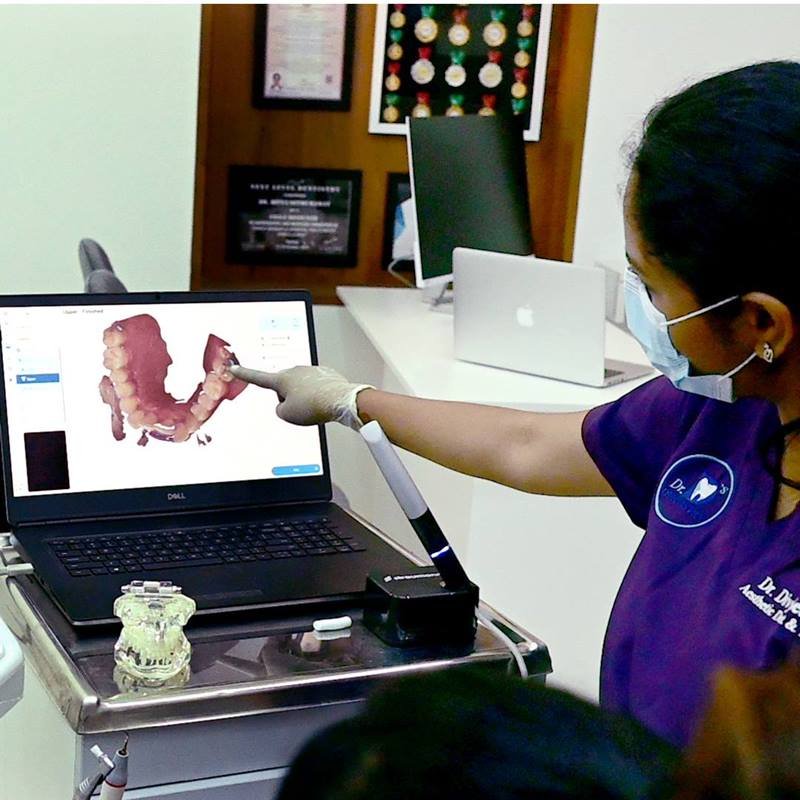
Temporary sensitivity is a common side effect associated with some teeth-whitening treatments.
Whitening agents can temporarily increase sensitivity in some patients.
The risk may be influenced by:
- Concentration of the whitening product
- Duration of treatment
- Existing sensitivity
- Enamel condition
- Gum health
- Frequency of whitening
If you already have sensitive teeth, it is important to discuss this with your dentist before undergoing whitening treatment.
A Smile Specialist in Chennai can evaluate your teeth and recommend an appropriate cosmetic treatment plan.
Tooth Sensitivity After Dental Treatment
Some patients experience temporary sensitivity after procedures such as:
- Dental fillings
- Crown preparation
- Teeth whitening
- Professional cleaning
- Orthodontic treatment
The duration depends on the treatment and the individual tooth.
If sensitivity does not improve as expected or becomes worse, contact your dentist.
Persistent pain should be evaluated rather than ignored.
How Is Tooth Sensitivity Diagnosed?
Your dentist will usually begin with a detailed dental examination.
They may ask:
- When did the sensitivity begin?
- Which tooth is affected?
- What triggers it?
- How long does the pain last?
- Does biting cause pain?
- Is the pain spontaneous?
- Have you recently had dental treatment?
- Do you grind your teeth?
- What toothpaste and toothbrush do you use?
The dentist may also examine:
- Enamel condition
- Gum recession
- Cavities
- Existing fillings
- Cracks
- Gum health
- Tooth wear
Dental X-rays may be recommended when necessary.
Can a Dental X-Ray Detect the Cause of Sensitivity?
Sometimes.
An X-ray can help identify certain problems such as:
- Tooth decay
- Root infections
- Bone changes
- Problems around the root
- Certain structural abnormalities
However, not every cause of sensitivity can be detected on an X-ray.
A clinical examination remains essential.
How Is Tooth Sensitivity Treated?
Treatment depends entirely on the underlying cause.
Possible approaches include:
- Desensitizing toothpaste
- Fluoride treatment
- Improved brushing technique
- Treatment of gum disease
- Dental fillings
- Bonding
- Treatment of cracks
- Crowns
- Root canal treatment
- Management of teeth grinding
- Treatment of dental erosion
Your dentist will recommend the appropriate option after identifying the cause.
Desensitizing Toothpaste
Desensitizing toothpaste may help reduce sensitivity for many people.
These toothpastes typically contain ingredients designed to reduce the transmission of sensitivity through exposed dentin or otherwise reduce the response of the tooth.
They usually need to be used consistently rather than expecting immediate results after one or two applications.
If sensitivity continues despite using a desensitizing toothpaste, consult your dentist.
Fluoride Treatment for Sensitive Teeth
Fluoride can help strengthen enamel and may be recommended as part of sensitivity management.
A dentist may recommend professional fluoride treatment in selected cases.
This can be particularly useful for patients with:
- Enamel wear
- High cavity risk
- Exposed root surfaces
- Certain sensitivity problems
The appropriate treatment depends on the underlying cause.
Dental Bonding for Exposed Tooth Surfaces
If sensitivity is caused by exposed root surfaces or loss of tooth structure, your dentist may sometimes recommend bonding.
A tooth-colored restorative material can be used to cover exposed areas and provide additional protection.
This can also improve the appearance of certain areas affected by gum recession or abrasion.
When Is Root Canal Treatment Needed for Sensitivity?
Root canal treatment is not required for ordinary tooth sensitivity.
However, if sensitivity is associated with significant inflammation or infection of the dental pulp, root canal treatment may become necessary.
Possible warning signs include:
- Severe spontaneous pain
- Prolonged sensitivity to hot or cold
- Pain that wakes you at night
- Pain while biting
- Swelling
- A dental abscess
A Root Canal Specialist in Chennai can assess the tooth and determine whether root canal treatment is appropriate.
Can Tooth Sensitivity Be Prevented?
In many cases, yes.
Good preventive habits include:
- Use a soft-bristled toothbrush
- Avoid aggressive brushing
- Use fluoride toothpaste
- Clean between your teeth
- Limit frequent acidic drinks
- Avoid excessive sugary snacks
- Wear a mouthguard if recommended for grinding or sports
- Treat cavities early
- Maintain regular dental checkups
- Address gum recession and gum disease
- Avoid using teeth as tools
Prevention is generally easier than treating advanced dental damage.
How to Brush Sensitive Teeth
If you have sensitivity, brushing should be gentle but thorough.
Step 1: Use a soft toothbrush
Hard bristles are not necessary for effective plaque removal.
Step 2: Use gentle pressure
Let the bristles do the cleaning rather than scrubbing forcefully.
Step 3: Focus on the gumline
Clean gently where the teeth meet the gums.
Step 4: Brush for about two minutes
Make sure you clean all surfaces.
Step 5: Use appropriate toothpaste
A fluoride or desensitizing toothpaste may be recommended depending on your needs.
Foods to Limit If You Have Sensitive Teeth
If certain foods trigger discomfort, consider reducing frequent exposure to:
- Ice-cold drinks
- Very hot beverages
- Ice cream
- Sour candies
- Soft drinks
- Citrus juices
- Highly acidic foods
You do not necessarily have to avoid all of these foods permanently.
The goal is to identify triggers and address the underlying cause.
What to Do When Your Teeth Hurt From Cold Drinks
If cold drinks consistently trigger sensitivity:
- Avoid extremely cold beverages temporarily.
- Use a straw where appropriate to reduce direct contact with teeth.
- Avoid brushing aggressively.
- Use a suitable sensitive-teeth toothpaste.
- Monitor whether the symptoms improve.
- Schedule a dental examination if the sensitivity persists.
If one particular tooth is much more sensitive than the others, do not assume it is simply normal sensitivity.
Tooth Sensitivity in Children
Children can also experience sensitivity.
Possible causes include:
- Tooth decay
- Enamel defects
- Newly erupted permanent teeth
- Dental trauma
- Gum problems
- Excessive brushing
- Certain dental treatments
Because children may have difficulty describing exactly what they are experiencing, parents should pay attention to changes in eating or brushing behavior.
A Kid Specialist in Chennai can evaluate the child’s teeth and determine the underlying cause.
Tooth Sensitivity During Pregnancy
Hormonal changes during pregnancy can affect the gums and may increase the tendency toward gum inflammation.
Some pregnant women may also experience changes in dietary habits, vomiting, or acid exposure that can affect the teeth.
If you experience sensitivity during pregnancy, inform your dentist about your pregnancy so that appropriate diagnostic and treatment decisions can be made.
Do not ignore significant dental pain simply because you are pregnant.
Tooth Sensitivity and Dental Implants
Dental implants themselves do not have the same nerve structure as natural teeth.
However, sensitivity or discomfort around an implant can indicate other issues involving the surrounding gum, bone, neighboring teeth, or restoration.
If you have a dental implant and develop persistent pain or sensitivity in the area, arrange a dental examination.
Patients considering implants can consult an Implant Specialist in Chennai for comprehensive evaluation and treatment planning.
Tooth Sensitivity and Cosmetic Dentistry
Sensitivity is particularly important to consider before cosmetic dental treatments.
Patients considering:
- Teeth whitening
- Veneers
- Smile makeovers
- Tooth-colored restorations
should have their teeth and gums assessed first.
For patients looking for a Smile Designer in Chennai, the goal should not simply be to improve the appearance of teeth but also to maintain their health and function.
Tooth Sensitivity and Invisalign Treatment
Patients undergoing clear aligner treatment may occasionally notice temporary discomfort or sensitivity as teeth move.
However, persistent sensitivity should not automatically be attributed to aligners.
If you are undergoing or considering Invisalign treatment and experience unusual dental pain, speak with your dentist or orthodontic provider.
A consultation with an Invisalign Specialist in Chennai can help determine whether clear aligner treatment is suitable for your dental condition.
Common Mistakes People Make When Managing Tooth Sensitivity
Mistake 1: Brushing harder
More pressure does not mean better cleaning.
Mistake 2: Ignoring sensitivity
Persistent sensitivity can sometimes indicate a dental problem.
Mistake 3: Using whitening products excessively
Frequent whitening may increase sensitivity in susceptible patients.
Mistake 4: Avoiding the dentist
Changing toothpaste without identifying the cause may delay appropriate treatment.
Mistake 5: Using very abrasive products
Some products can contribute to enamel wear when used excessively or combined with aggressive brushing.
When Should You See a Dentist for Tooth Sensitivity?
You should arrange a dental examination if:
- Sensitivity persists for several weeks
- Pain is becoming worse
- Only one tooth is affected
- You have pain while biting
- You have swelling
- You notice a visible cavity
- Your gums are receding
- Your gums bleed frequently
- Sensitivity occurs spontaneously
- Pain continues after the trigger is removed
- You recently experienced dental trauma
These symptoms may indicate something more than routine sensitivity.
When Is Tooth Sensitivity a Dental Emergency?
Seek urgent dental care if sensitivity is accompanied by:
- Facial swelling
- Significant gum swelling
- Fever
- Difficulty swallowing
- Difficulty breathing
- Severe uncontrolled dental pain
- Pus around a tooth
- Significant dental trauma
These symptoms can indicate infection or another condition requiring prompt attention.
How Much Does Treatment for Tooth Sensitivity Cost?
The cost of treating tooth sensitivity varies considerably because sensitivity is a symptom rather than a single dental condition.
Treatment costs depend on the cause.
For example, the required treatment may be as simple as professional advice and a suitable toothpaste, while another patient may require:
- A dental filling
- Gum treatment
- Bonding
- A crown
- Root canal treatment
- Treatment for a cracked tooth
A proper dental examination is therefore necessary before estimating the treatment cost.
At a Best Affordable Dental Clinic in Chennai, the focus should be on identifying the cause and providing appropriate treatment rather than simply treating the symptom.
Why Early Treatment of Tooth Sensitivity Matters
Ignoring sensitivity for a long period may allow an underlying problem to progress.
For example, a cavity that initially causes mild sensitivity may eventually reach the deeper parts of the tooth.
Similarly, untreated gum disease can progress and contribute to further gum recession and supporting-tissue damage.
Early diagnosis often provides more treatment options and can help protect natural tooth structure.
Maintaining Healthy Teeth After Sensitivity Treatment
Once sensitivity has been treated, maintaining good oral hygiene is essential.
Continue to:
- Brush twice daily
- Use fluoride toothpaste
- Clean between your teeth
- Avoid excessive brushing pressure
- Limit frequent acidic foods
- Drink water regularly
- Attend dental checkups
- Follow your dentist’s recommendations
Your dentist may also recommend specific products or preventive treatments depending on your individual risk factors.
Why Choose Dr.D’s Dentistry for Tooth Sensitivity?
At Dr.D’s Dentistry, the focus is on identifying the underlying cause of dental symptoms rather than simply managing discomfort temporarily.
Tooth sensitivity can have many causes, and treatment should be based on an individual examination.
Patients visiting our clinic may receive evaluation for:
- Tooth decay
- Gum recession
- Gum disease
- Enamel wear
- Cracked teeth
- Damaged restorations
- Pulp-related problems
- Tooth grinding
- Dental erosion
A comprehensive approach can help determine whether the sensitivity can be managed conservatively or whether a specific dental treatment is necessary.
For patients nearby to Royapettah, Mylapore, Alwarpet, and Gopalapuram, having access to comprehensive dental care can make it easier to address dental problems before they become more complicated.
If you are searching online for the Best Dental Clinic near me, Best Dentist near me, or Best Dental Clinic within 1 KM, consider choosing a clinic where diagnosis, preventive care, restorative dentistry, and specialist treatment are available according to your needs.
Frequently Asked Questions About Tooth Sensitivity
1. What is the most common cause of tooth sensitivity?
Common causes include exposed dentin due to gum recession or enamel wear. However, cavities, cracks, gum disease, and other dental conditions can also cause sensitivity.
2. Can tooth sensitivity go away on its own?
Mild temporary sensitivity may improve, but persistent sensitivity should be evaluated to determine the cause.
3. Is tooth sensitivity a sign of a cavity?
It can be. A cavity may cause sensitivity, particularly to sweets and cold foods, but sensitivity has many possible causes.
4. What toothpaste is best for sensitive teeth?
Desensitizing toothpaste may help reduce symptoms. A fluoride toothpaste is also important for cavity prevention. Your dentist can recommend a suitable product based on your needs.
5. Can brushing too hard cause sensitive teeth?
Yes. Excessive brushing pressure can contribute to gum recession and tooth-surface wear.
6. Can sensitive teeth be cured permanently?
The outlook depends on the underlying cause. Some forms of sensitivity can be effectively managed, while other causes require treatment of the affected tooth or gums.
7. Does teeth whitening cause sensitivity?
Whitening treatments can temporarily increase sensitivity in some people, particularly those who already have sensitive teeth.
8. Can a cracked tooth cause sensitivity?
Yes. A cracked tooth can cause sensitivity, especially when eating or drinking hot or cold foods or when biting.
9. Can gum disease cause tooth sensitivity?
Yes. Gum disease can contribute to gum recession and exposure of root surfaces, which may increase sensitivity.
10. Is sensitivity to cold normal?
Occasional brief sensitivity can occur, but persistent or severe sensitivity should not simply be considered normal.
11. Why does one tooth hurt when I drink something cold?
Sensitivity in one specific tooth can be associated with decay, a crack, a defective restoration, gum recession, or pulp inflammation. A dental examination can help determine the cause.
12. Can sensitive teeth need root canal treatment?
Sometimes. If the pulp inside the tooth is significantly inflamed or infected, root canal treatment may be necessary. Routine sensitivity alone does not mean you need a root canal.
13. Can children have sensitive teeth?
Yes. Tooth decay, enamel problems, trauma, eruption changes, and other conditions can cause sensitivity in children.
14. Should I stop drinking cold drinks if I have sensitive teeth?
You may temporarily avoid foods and drinks that trigger symptoms, but identifying and treating the underlying cause is more important.
15. When should I see a dentist for sensitivity?
See a dentist if sensitivity is persistent, severe, localized to one tooth, associated with swelling or pain while biting, or does not improve with appropriate home care.
Final Thoughts
Tooth sensitivity is common, but it should not always be ignored.
A sharp sensation from cold water or ice cream may seem like a minor inconvenience, but sensitivity can sometimes be associated with enamel wear, gum recession, cavities, cracks, gum disease, or deeper dental problems.
Using a soft toothbrush, brushing gently, choosing an appropriate fluoride or desensitizing toothpaste, limiting excessive acidic exposure, and maintaining regular dental checkups can help protect your teeth.
Most importantly, if sensitivity persists, becomes severe, or affects one particular tooth, professional evaluation is important.
At Dr.D’s Dentistry, we provide comprehensive dental care with an emphasis on diagnosis, prevention, and individualized treatment planning.
Whether you need help managing sensitivity or require specialized dental treatment, early evaluation can help protect your natural teeth and maintain a healthy smile.
For patients nearby to Royapettah, Mylapore, Alwarpet, and Gopalapuram, Dr.D’s Dentistry provides comprehensive dental care for children and adults.
If you are searching for the Best Dental Clinic in Chennai, Best Affordable Dental Clinic in Chennai, Root Canal Specialist in Chennai, Smile Specialist in Chennai, Smile Designer in Chennai, Invisalign Specialist in Chennai, or Implant Specialist in Chennai, a professional dental evaluation can help you understand the treatment options appropriate for your individual needs.

