
Losing a tooth can affect much more than your smile. Missing teeth can make chewing difficult, affect speech, change the appearance of your face, and sometimes cause neighboring teeth to shift into the empty space. Fortunately, modern dentistry offers several options for replacing missing teeth, and dental implants are one of the most advanced and long-lasting solutions available today.
A dental implant is designed to replace the root of a missing tooth and provide a strong foundation for a crown, bridge, or other dental restoration. When properly planned and maintained, dental implants can restore both the function and appearance of natural teeth.
At Dr.D’s Dentistry, patients can receive comprehensive dental implant consultations and treatment planning based on their individual oral health, bone condition, aesthetic requirements, and overall dental needs.
If you are searching for the Best Dental Clinic in Chennai, an Implant Specialist in Chennai, or a Best Dentist near me, understanding the dental implant procedure, benefits, cost, and recovery process can help you make an informed decision.
Recovery What Are Dental Implants?
A dental implant is a small, biocompatible post that is surgically placed into the jawbone to replace the root of a missing tooth.
A complete dental implant restoration usually consists of three components:
1. Dental Implant
The implant is placed inside the jawbone and functions as an artificial tooth root.
2. Abutment
The abutment connects the dental implant to the final restoration.
3. Dental Crown
The crown is the visible portion that resembles a natural tooth and restores appearance and chewing function.
Depending on the number of missing teeth and the patient’s individual needs, implants can also be used to support bridges or implant-supported dentures.
Recovery Why Do People Choose Dental Implants?
When a tooth is lost, several replacement options may be available, including removable dentures and dental bridges.
Dental implants offer the advantage of replacing the tooth root as well as the visible tooth.
They can provide:
- Improved chewing ability
- A natural-looking appearance
- Better stability than removable dentures
- Support for neighboring dental structures
- Restoration of a missing tooth without relying entirely on adjacent teeth
- Long-term tooth replacement when properly maintained
However, dental implants are not automatically the best option for everyone. A detailed examination is necessary to determine whether they are suitable for your individual situation.
Recovery Who Is a Good Candidate for Dental Implants?
Dental implants may be suitable for adults who have:
- One or more missing teeth
- Adequate jawbone support
- Healthy or controlled gum conditions
- Good oral hygiene
- Sufficient bone volume or the possibility of bone augmentation
- Realistic expectations regarding treatment
Certain medical and lifestyle factors may influence implant treatment planning.
Smoking, uncontrolled gum disease, inadequate bone volume, poor oral hygiene, and some medical conditions can affect healing and implant success.
This does not necessarily mean implants are impossible. Instead, additional treatment or careful planning may be required.
Recovery Dental Implant Procedure: Step by Step
The dental implant process is not simply about placing a screw into the jawbone. Successful implant treatment involves detailed diagnosis, planning, surgery, restoration, and long-term maintenance.
Step 1: Initial Consultation
The process begins with a detailed dental examination.
Your dentist will evaluate:
- The missing tooth or teeth
- Gum health
- Jawbone condition
- Bite and tooth alignment
- Adjacent teeth
- Overall oral health
- Aesthetic requirements
Your dental history and expectations will also be discussed.
Recovery Step 2: Diagnostic Imaging and Treatment Planning
Dental imaging is an important part of implant planning.
Depending on the case, your dentist may recommend dental X-rays or 3D imaging to assess:
- Bone height and width
- Location of important anatomical structures
- Position of adjacent teeth
- Sinus location
- Nerve pathways
- Implant positioning
Digital scans may also be used to plan the final restoration and improve treatment precision.
The objective is to determine the safest and most predictable implant position.
Recovery Step 3: Tooth Extraction, If Required
If the damaged tooth is still present, it may need to be extracted before implant placement.
In selected cases, implant placement may be possible immediately after extraction. In other situations, it may be preferable to allow the extraction site to heal first.
The decision depends on factors such as infection, bone quality, gum condition, and the specific clinical situation.
Recovery Step 4: Bone Grafting, If Required
Some patients do not have sufficient bone to support an implant in the ideal position.
Bone loss can occur after tooth extraction and may also be associated with gum disease, trauma, or long-term tooth loss.
If necessary, a bone grafting procedure may be recommended to improve the available bone.
Not every patient needs bone grafting.
Recovery Step 5: Implant Placement
Once the site is ready, the dental implant is surgically positioned inside the jawbone.
The procedure is performed under appropriate local anaesthesia.
The implant is placed carefully according to the treatment plan, taking into consideration the available bone, bite, aesthetics, and position of surrounding structures.
Recovery Step 6: Healing and Osseointegration
After implant placement, the jawbone gradually integrates with the implant surface.
This biological process is called osseointegration.
During this period, the implant becomes firmly anchored within the bone.
The healing period varies from person to person and depends on factors such as:
- Bone quality
- Implant location
- Overall health
- Surgical procedure
- Whether bone grafting was performed
Your dentist will determine when the implant is ready for the next stage.
Recovery Step 7: Abutment Placement
Once the implant has adequately integrated with the surrounding bone, an abutment may be connected to the implant.
The abutment provides a connection between the implant and the final crown or restoration.
Depending on the treatment approach, the abutment may be placed at the time of implant surgery or during a later appointment.
Recovery Step 8: Final Crown Placement
The final crown is fabricated to match the surrounding teeth as closely as possible in shape, size, colour, and function.
The dentist will check:
- Fit
- Bite
- Appearance
- Comfort
- Function
Once the restoration is completed, the dental implant can function much like a natural tooth.
Recovery Do Dental Implants Hurt?
This is one of the most common concerns among patients.
Dental implant surgery is performed under local anaesthesia, so the procedure itself should not be painful.
After surgery, you may experience:
- Mild discomfort
- Swelling
- Gum tenderness
- Minor bleeding
- Bruising in some cases
These symptoms usually improve gradually during recovery.
Your dentist will provide appropriate post-operative instructions and medication recommendations when required.
Recovery How Long Does Dental Implant Treatment Take?
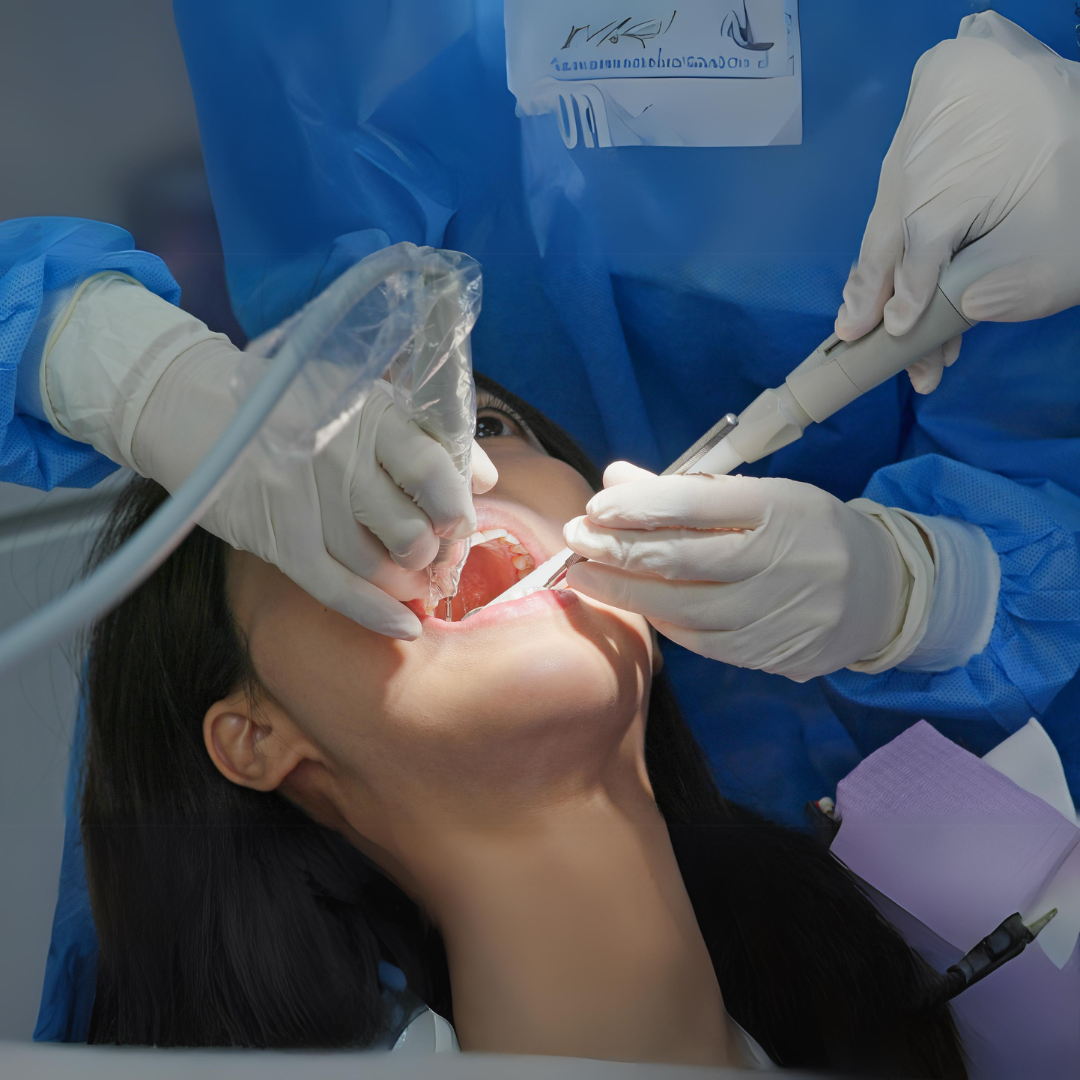
There is no single timeline for every implant patient.
Some straightforward cases can be completed relatively quickly, while others require several stages over a longer period.
The overall timeline may depend on:
- Whether the tooth needs to be extracted
- Bone availability
- Need for bone grafting
- Implant location
- Healing response
- Type of restoration
- Number of implants
- Individual treatment requirements
During your consultation, your dentist can provide a more personalized timeline.
Dental Implant Cost in Chennai
One of the most common questions patients ask is: “How much do dental implants cost in Chennai?”
The answer varies because implant treatment is customized for each patient.
The total cost may depend on:
- Number of implants required
- Type and brand of implant
- Complexity of the case
- Bone grafting requirements
- Need for tooth extraction
- Type of abutment
- Type of crown
- Diagnostic imaging
- Surgical complexity
- Additional restorative procedures
Therefore, there is no single dental implant price that applies to every patient.
It is also important not to compare implant treatment based solely on the implant fixture price. The complete treatment includes diagnosis, planning, surgery, healing, abutment, crown, and follow-up care.
At Dr.D’s Dentistry, the treatment plan and associated costs can be discussed with the patient before proceeding.
For patients searching for a Best Affordable Dental Clinic in Chennai, affordability should ideally be considered alongside treatment quality, materials, expertise, sterilization, technology, and long-term maintenance.
Benefits of Dental Implants
Dental implants offer several advantages when appropriately planned and maintained.
1. Natural-Looking Appearance
Implant-supported crowns can be designed to closely resemble natural teeth.
The shape, size, colour, and contours can be customized to suit the patient’s smile.
2. Improved Chewing
Missing teeth can make certain foods difficult to eat.
A properly restored implant can provide stable support for chewing and biting.
3. Improved Stability
Unlike removable dentures, dental implants are anchored within the jawbone.
This can provide greater stability during speaking and eating.
4. Replacement of a Missing Tooth Without a Removable Denture
For a single missing tooth, an implant-supported crown can provide a fixed replacement option.
5. Helps Maintain the Jawbone
After tooth loss, the bone surrounding the missing tooth can gradually shrink because it no longer receives normal stimulation from a tooth root.
Implants can provide functional stimulation to the bone in the area where they are placed.
6. Long-Term Solution
With appropriate planning, good oral hygiene, regular dental visits, and proper maintenance, dental implants can provide a long-term tooth replacement solution.
However, like natural teeth, implants also require care.
Dental Implants vs Dental Bridges
Both implants and bridges can replace missing teeth, but they work differently.
Dental implants
- Replace the tooth root
- Are anchored into the jawbone
- Can replace a single missing tooth
- Do not necessarily require preparation of adjacent healthy teeth
- Can provide long-term stability
Dental bridges
- Use adjacent teeth or implants for support
- Do not replace the missing tooth root
- May be appropriate in certain situations
- Can sometimes provide a faster treatment pathway
The best option depends on your oral health, bone condition, adjacent teeth, budget, and personal preferences.
Dental Implants vs Dentures
Dentures are removable appliances that replace multiple missing teeth or an entire arch.
Implants are fixed into the jawbone and can support individual crowns, bridges, or implant-supported dentures.
For patients who struggle with loose conventional dentures, implant-supported solutions may provide improved stability.
However, implant-supported treatment requires appropriate bone support and surgical planning.
Recovery After Dental Implant Surgery
Most patients can gradually return to normal activities after implant surgery, although the recovery experience varies.
Your dentist may recommend:
- Resting after surgery
- Eating soft foods initially
- Avoiding very hot foods immediately after surgery
- Maintaining good oral hygiene as instructed
- Avoiding pressure on the surgical area
- Taking prescribed medication as directed
- Attending follow-up appointments
Swelling is often most noticeable during the first few days and then gradually improves.
Always follow the specific instructions provided by your treating dentist because recovery recommendations can vary according to the procedure.
What Can You Eat After Dental Implant Surgery?
Soft and easy-to-chew foods are generally more comfortable during the initial recovery period.
You may choose foods such as:
- Idli
- Soft rice
- Khichdi
- Yogurt
- Eggs
- Smooth soups
- Mashed vegetables
- Soft fruits
- Oatmeal
Avoid hard, crunchy, sticky, or very spicy foods around the surgical site until your dentist advises that normal eating can resume.
How Long Do Dental Implants Last?
Dental implants are designed to be a long-term tooth replacement option.
However, implant longevity depends on several factors, including:
- Oral hygiene
- Gum health
- Bone support
- Bite forces
- Smoking
- Quality of the restoration
- Regular dental check-ups
- Professional maintenance
The implant itself and the crown are different components and may have different long-term maintenance or replacement needs.
Regular dental examinations are therefore important even after successful implant treatment.
Can Dental Implants Fail?
Although dental implants have high success rates, failure is possible.
Potential contributing factors include:
- Infection around the implant
- Poor oral hygiene
- Smoking
- Insufficient bone integration
- Excessive biting forces
- Poor implant positioning
- Untreated gum disease
- Certain systemic factors
A condition involving inflammation and bone loss around an implant is known as peri-implant disease.
Early diagnosis and appropriate maintenance can help reduce the risk of complications.
How to Care for Dental Implants
Implants should not be considered maintenance-free.
To protect your implant:
Brush twice a day
Use an appropriate toothbrush and toothpaste.
Clean between your teeth
Your dentist may recommend floss, interdental brushes, or other cleaning aids depending on the implant design.
Attend regular dental check-ups
Professional monitoring helps identify gum inflammation, bone changes, or restoration problems early.
Avoid smoking
Smoking can negatively affect gum and implant health.
Protect your teeth from excessive forces
If you grind or clench your teeth, discuss appropriate protection with your dentist.
Dental Implants for Front Teeth
Replacing a missing front tooth requires careful attention to both function and aesthetics.
The final result depends on:
- Implant position
- Bone volume
- Gum contours
- Crown design
- Tooth colour
- Smile line
- Proportion with adjacent teeth
For patients particularly concerned about aesthetics, implant treatment may be coordinated with cosmetic dental planning.
A Smile specialist in Chennai or Smile Designer in Chennai can help evaluate the overall appearance of the smile while planning the replacement of a missing tooth.
Full-Mouth Dental Implants
Patients who have lost many or all of their teeth may have several treatment options.
Depending on the individual’s bone condition and dental requirements, implants can be used to support:
- Multiple individual crowns
- Implant-supported bridges
- Implant-supported dentures
- Full-arch fixed restorations
Full-mouth rehabilitation requires detailed diagnosis and comprehensive treatment planning.
It should not be approached as simply “placing implants.” The final bite, aesthetics, function, bone condition, and long-term maintenance all need to be considered.
Are Dental Implants Safe?
Dental implants have been used successfully for decades and are considered an established method of tooth replacement.
However, implant treatment involves surgery, and every surgical procedure has potential risks.
A detailed consultation allows the dentist to evaluate your suitability, identify potential risk factors, and develop an appropriate treatment plan.
Why Choose an Implant Specialist?
Dental implant treatment combines surgery, restorative dentistry, aesthetics, occlusion, and long-term maintenance.
Choosing an experienced Implant Specialist in Chennai can be particularly useful for patients with:
- Multiple missing teeth
- Significant bone loss
- Previous implant failure
- Complex implant requirements
- Aesthetic concerns
- Full-mouth rehabilitation needs
The most appropriate clinician depends on the complexity of the case and the treatment expertise required.
Dental Implants and Invisalign: Are They Related?
Dental implants and Invisalign serve completely different purposes.
Dental implants replace missing teeth.
Invisalign is used to straighten and align teeth.
In certain comprehensive treatment plans, orthodontic treatment may be considered before or around implant placement to create appropriate space and improve tooth positioning.
If you are considering clear aligner treatment as part of a broader smile transformation, consultation with an Invisalign specialist in Chennai can help determine the appropriate sequence of treatment.
Dental Implants for Older Adults
Age alone does not automatically rule out dental implant treatment.
The more important considerations include:
- General health
- Bone condition
- Gum health
- Oral hygiene
- Ability to maintain the implants
- Medical history
- Healing capacity
A thorough dental and medical assessment is necessary before implant surgery.
Frequently Asked Questions About Dental Implants
Are dental implants painful?
The implant procedure is performed under local anaesthesia. Some discomfort, swelling, or tenderness may occur after surgery, but these symptoms are usually manageable and improve during recovery.
How long does a dental implant take to heal?
Healing varies depending on the individual case, implant location, bone quality, and whether additional procedures such as bone grafting are required.
Can I get an implant immediately after tooth extraction?
In selected cases, immediate implant placement may be possible. However, it is not appropriate for every patient. Infection, bone condition, gum health, and other factors need to be evaluated.
Are dental implants better than dentures?
Implants and dentures are different treatment options. Implants generally provide greater stability because they are anchored into the jawbone, while dentures are removable. The appropriate option depends on the patient’s oral health, needs, and circumstances.
What is the cost of one dental implant in Chennai?
The cost varies according to the implant system, surgical requirements, crown, diagnostic procedures, and other treatment needs. A consultation is required for an accurate estimate.
Can dental implants look like natural teeth?
Yes. Implant crowns can be customized in terms of shape, colour, size, and contours to create a natural-looking result.
Can I brush normally after getting an implant?
You should maintain good oral hygiene, but your dentist will provide specific instructions regarding cleaning the surgical area during the initial healing period.
Can smokers get dental implants?
Smoking can negatively affect healing and implant health. Your dentist may recommend reducing or stopping smoking before and after treatment to improve the chances of successful healing.
Final Thoughts
Dental implants have transformed the way missing teeth can be replaced. They can restore chewing function, improve smile aesthetics, provide stability, and offer a long-term alternative to traditional tooth replacement options.
However, successful implant treatment involves much more than the surgical placement of an implant. Accurate diagnosis, treatment planning, appropriate surgical technique, high-quality restoration, good oral hygiene, and regular maintenance all contribute to long-term success.
If you have one or more missing teeth and are considering dental implants, a personalized consultation is the best way to understand your options.
For patients searching for Dr.D’s Dentistry, the Best Dental Clinic in Chennai, Best Dental Clinic near me, Best Dentist near me, or an Implant Specialist in Chennai, the clinic is conveniently located nearby to Royapettah, Mylapore, Alwarpet, and Gopalapuram.
Whether you need a single missing tooth replaced, multiple teeth restored, or are exploring a complete smile transformation, the right treatment plan should be designed around your individual dental needs, oral health, aesthetics, and long-term goals.

