
Dental Care for Children A healthy smile begins in childhood. Good dental habits established during the early years can help children maintain strong teeth, healthy gums, and positive attitudes towards dental visits throughout their lives. However, many parents are unsure when to start brushing their child’s teeth, when to schedule the first dental appointment, how to prevent cavities, and what to do when dental problems arise.
Dental Care for Children Children’s dental care involves much more than keeping their teeth clean. It includes preventive examinations, proper brushing techniques, a balanced diet, fluoride protection, monitoring tooth development, and identifying dental problems before they become serious.
Baby teeth, also known as primary teeth, play an important role in chewing, speech development, and maintaining space for permanent teeth. Although these teeth eventually fall out, they should never be neglected. Cavities and infections in baby teeth can cause pain, interfere with eating, and sometimes affect a child’s overall well-being.
Dental Care for Children At Dr.D’s Dentistry, we believe that early preventive dental care helps children develop healthy smiles and feel more comfortable about visiting the dentist. If you are searching for the Best Dental Clinic in Chennai for your child’s oral health, understanding the fundamentals of children’s dental care is an excellent place to start.
This comprehensive guide explains everything parents need to know about children’s dental care, including oral hygiene by age, cavity prevention, nutrition, dental visits, common dental problems, and tips for making dental appointments a positive experience.
Dental Care for Children What Is Children’s Dental Care?
Children’s dental care refers to the prevention, diagnosis, and treatment of dental problems in infants, toddlers, school-aged children, and teenagers.
It includes caring for baby teeth, monitoring the eruption of permanent teeth, maintaining healthy gums, preventing cavities, and identifying problems with tooth alignment or jaw development.
Children’s dental care generally involves:
- Brushing twice daily with age-appropriate fluoride toothpaste.
- Cleaning between teeth when they touch.
- Following a balanced diet with limited frequent sugar exposure.
- Attending regular dental examinations.
- Using preventive treatments such as fluoride varnish and dental sealants when appropriate.
- Monitoring tooth eruption and jaw development.
- Treating cavities and dental injuries promptly.
Dental Care for Children Parents play a central role in their child’s oral health. Young children cannot clean their teeth effectively without assistance, so supervised brushing and regular encouragement are essential.
If you are looking for a Kid Specialist in Chennai, choose a dental professional who can assess your child’s developmental needs, explain preventive options, and help make dental visits comfortable and age-appropriate.
Dental Care for Children Why Is Dental Care Important for Children?
Healthy teeth contribute to a child’s daily comfort, development, and confidence. Neglecting oral health during childhood can lead to problems that may require more extensive treatment later.
Dental Care for Children 1. Prevents Tooth Decay
Tooth decay is one of the most common dental problems in children. Bacteria in plaque use sugars from food and drinks to produce acids that damage enamel.
Regular brushing with fluoride toothpaste, healthy eating habits, and professional preventive care can help reduce the risk of cavities.
Dental Care for Children 2. Supports Proper Chewing and Nutrition
Children need healthy teeth to bite and chew a wide variety of foods comfortably.
Untreated cavities and dental pain can make eating difficult, potentially affecting food choices and nutritional intake.
3. Helps Develop Clear Speech
Teeth, the tongue, and the lips work together to produce many speech sounds. Healthy primary teeth support normal speech development, although speech difficulties can have several different causes.
Dental Care for Children 4. Maintains Space for Permanent Teeth
Baby teeth help guide the eruption of permanent teeth. When a primary tooth is lost prematurely because of decay or injury, neighbouring teeth may shift into the space.
In selected cases, a dentist may recommend a space maintainer to help preserve room for the developing permanent tooth.
5. Reduces Dental Anxiety
Children who become familiar with dental visits from an early age may develop greater confidence about receiving dental care.
Positive experiences, gentle explanations, and regular preventive appointments can help reduce fear and uncertainty.
6. Encourages Lifelong Healthy Habits
When children learn to brush properly, make healthier food choices, and attend dental check-ups, they develop habits that can benefit their oral health well into adulthood.
Dental Care for Children When Should You Start Caring for Your Child’s Teeth?
Dental care should begin before the first tooth appears.
Parents can gently clean an infant’s gums with a clean, soft, damp cloth. Once the first tooth erupts, begin brushing with a small, soft-bristled toothbrush and an age-appropriate amount of fluoride toothpaste.
The first dental visit should take place by the child’s first birthday or within six months after the first tooth erupts, whichever comes first.
Early visits allow the dentist to check tooth development, assess cavity risk, and guide parents on brushing, feeding practices, and fluoride use.
Waiting until a child develops pain or visible cavities may mean that dental problems have already progressed.
Dental Care for Children Children’s Dental Care by Age
Children’s oral health needs change as they grow. Understanding the appropriate care for each stage can help parents protect their child’s teeth effectively.
1. Infants: Birth to 12 Months
Although infants may not have visible teeth during the first few months, oral care should begin early.
What parents should do:
- Gently clean the gums with a soft, damp cloth.
- Start brushing when the first tooth appears.
- Use a rice-grain-sized smear of fluoride toothpaste.
- Avoid putting a baby to bed with a bottle containing milk, formula, or sugary drinks.
- Arrange the first dental visit by the first birthday or within six months of the first tooth erupting.
Baby teeth often begin appearing around six months, although the timing varies considerably between children.
Early dental guidance helps parents understand how to prevent early childhood caries, commonly called baby bottle tooth decay.
Dental Care for Children 2. Toddlers: One to Three Years
Toddlers may become more independent, but they still require complete assistance with brushing.
Important dental care tips:
- Brush twice daily using a rice-grain-sized smear of fluoride toothpaste until age three.
- Encourage drinking water between meals.
- Avoid frequent exposure to sugary snacks and drinks.
- Introduce a regular dental routine.
- Attend dental check-ups as recommended.
Children in this age group may resist brushing. Singing a song, using a favourite toothbrush, or letting them hold a second toothbrush while a parent cleans their teeth can make the process easier.
Dental Care for Children 3. Preschool Children: Three to Six Years
As more baby teeth erupt, parents should continue supervising brushing and encourage children to participate.
Recommended practices:
- Use a pea-sized amount of fluoride toothpaste from age three through six.
- Brush twice daily for approximately two minutes.
- Help children reach the back teeth and gumline.
- Begin teaching gentle spitting after brushing.
- Limit frequent sugary snacks and sweetened beverages.
- Continue regular dental examinations.
Young children often lack the coordination needed to clean every tooth surface properly. Parents should continue brushing for them or thoroughly supervise and finish the brushing until the child has developed adequate skills.
Dental Care for Children4. School-Aged Children: Six to Twelve Years
During this stage, children begin losing baby teeth and developing permanent teeth.
The first permanent molars often erupt around six years of age. These teeth appear behind the baby molars and do not replace them, so parents may mistakenly believe they are temporary teeth.
Important care practices include:
- Continue twice-daily brushing with fluoride toothpaste.
- Supervise brushing, particularly around newly erupted molars.
- Begin or maintain daily flossing when teeth touch.
- Ask your dentist whether fluoride varnish or dental sealants are appropriate.
- Monitor loose baby teeth and the eruption of permanent teeth.
- Use a properly fitted mouthguard for sports when indicated.
This stage is particularly important for cavity prevention because newly erupted permanent molars have grooves that can trap plaque and food debris.
Dental Care for Children5. Teenagers: Thirteen to Eighteen Years
Teenagers have increasing independence and may be more exposed to sugary drinks, irregular eating schedules, and inconsistent oral hygiene.
Orthodontic treatment may also make cleaning more challenging.
Teenage dental care should include:
- Brushing twice daily with fluoride toothpaste.
- Cleaning between teeth every day.
- Limiting frequent sugary snacks and acidic drinks.
- Attending regular dental check-ups.
- Wearing a mouthguard for contact sports when appropriate.
- Discussing wisdom teeth, gum health, and orthodontic needs with the dentist.
Parents should encourage teenagers to take responsibility for their oral health while ensuring that professional dental care remains part of their routine.
Dental Care for Children How to Brush Your Child’s Teeth Correctly
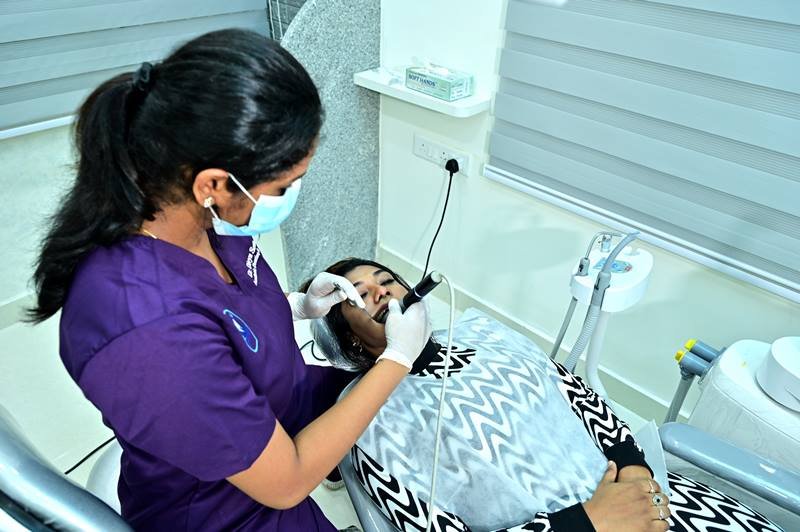
Brushing is one of the most important daily habits for preventing childhood cavities.
Step 1: Choose the Right Toothbrush
Use a small-headed, soft-bristled toothbrush that fits comfortably in your child’s mouth.
Electric toothbrushes may also be suitable if the child tolerates them and they are used correctly.
Step 2: Use the Correct Amount of Toothpaste
The recommended amount of fluoride toothpaste depends on the child’s age:
- Under three years: A rice-grain-sized smear.
- Three to six years: A pea-sized amount.
- Older children: An appropriate amount for their age and ability to brush and spit safely, following dental advice.
Children should not swallow toothpaste intentionally. Store it out of reach and supervise brushing.
Step 3: Brush All Tooth Surfaces
Clean the outer, inner, and chewing surfaces of every tooth. Use gentle circular movements and pay particular attention to the gumline and back teeth.
Step 4: Brush for Two Minutes
Brush twice daily, including the last thing at night.
A two-minute timer, song, or child-friendly brushing app can help make the routine enjoyable.
Step 5: Supervise and Assist
Do not assume that a child can brush effectively simply because they can hold a toothbrush.
Many children need parental assistance well into their school years. Continue supervising until they can reliably clean every surface and spit out the toothpaste.
Why Is Fluoride Important for Children’s Teeth?
Fluoride is a mineral that helps strengthen enamel and makes teeth more resistant to acid attacks. It also supports remineralisation, which can help repair some early enamel damage before a cavity forms.
Fluoride plays an important role in preventing childhood tooth decay.
Children can receive fluoride through several sources, including fluoride toothpaste, professionally applied fluoride varnish, and, where available, appropriately fluoridated drinking water.
Benefits of Fluoride for Children
- Helps reduce the risk of cavities.
- Strengthens tooth enamel.
- Supports repair of early enamel lesions.
- Provides additional protection for children at increased risk of decay.
- Complements daily brushing and healthy dietary habits.
Professional fluoride varnish may be recommended according to the child’s age and cavity risk.
Parents should use age-appropriate quantities of fluoride toothpaste and supervise brushing to reduce unnecessary swallowing.
If you are looking for the Best Dental Clinic in Chennai for preventive dental care, ask your dentist whether your child would benefit from professional fluoride treatment.
What Are Dental Sealants, and Does Your Child Need Them?
Dental sealants are thin protective coatings applied to the grooves and pits of molars. These grooves can trap plaque and food particles, making them vulnerable to decay.
Sealants are particularly useful for suitable permanent molars that have recently erupted.
The procedure usually involves cleaning the tooth, preparing the enamel surface, applying the sealant, and allowing the material to harden.
It is generally painless and does not usually require drilling or injections.
Sealants may be recommended for children who have:
- Newly erupted permanent molars.
- Deep pits and fissures.
- A history of cavities.
- An increased risk of tooth decay.
Sealants do not replace fluoride toothpaste or regular dental examinations. They provide additional protection for specific tooth surfaces.
Common Dental Problems in Children
Recognising common dental problems early helps parents seek appropriate treatment before symptoms become more severe.
1. Tooth Decay and Cavities
Cavities develop when acids produced by plaque bacteria damage the enamel and, eventually, deeper tooth structures.
Possible signs include:
- White, brown, or black spots on teeth.
- Sensitivity to cold or sweet foods.
- Toothache.
- Food becoming trapped in a tooth.
- Visible holes or broken areas.
Early decay may not cause pain. Regular dental examinations help identify problems before they progress.
2. Early Childhood Caries
Early childhood caries refers to tooth decay in young children, particularly those under six years.
Frequent exposure to sugary drinks, inadequate brushing, and going to sleep with a bottle containing milk or sweetened liquids can increase the risk.
Breastfeeding does not need to be stopped solely to prevent cavities. Instead, parents should establish good oral hygiene, avoid frequent sugar exposure, and seek individualised guidance about feeding practices and nighttime oral care.
3. Gum Inflammation
Children can develop gingivitis when plaque accumulates along the gumline.
Common signs include:
- Red or swollen gums.
- Bleeding during brushing.
- Bad breath.
- Tenderness around the teeth.
Improved brushing, appropriate interdental cleaning, and professional dental care can help manage plaque-related gingivitis.
4. Tooth Sensitivity
Children may experience sensitivity to hot, cold, or sweet foods.
Possible causes include cavities, enamel defects, exposed dentine, or other dental problems.
Persistent sensitivity should be evaluated by a dentist rather than treated only with home remedies.
5. Dental Injuries
Falls, playground accidents, and sports injuries can damage children’s teeth.
A chipped, fractured, displaced, or knocked-out tooth needs prompt assessment.
For a knocked-out permanent tooth, seek emergency dental care immediately. If possible, handle it by the crown rather than the root, and follow professional advice about safe storage and replantation. Do not reinsert a knocked-out baby tooth.
6. Delayed or Irregular Tooth Eruption
Children develop teeth at different rates, but substantial delays or unusual eruption patterns may require assessment.
A dentist can check whether the teeth are developing and erupting appropriately and determine whether further investigation is needed.
7. Thumb-Sucking and Pacifier Habits
Thumb-sucking and pacifier use are common in infants and young children.
If these habits continue frequently as permanent teeth begin to develop, they may influence tooth position or bite development.
Parents should use positive encouragement rather than punishment and discuss persistent habits with the dentist, particularly if changes in the bite become noticeable.
How Does Diet Affect Children’s Dental Health?
Diet has a significant influence on cavity risk. When children frequently consume sugary foods and drinks, plaque bacteria produce repeated acid attacks that weaken enamel.
The frequency of sugar exposure is particularly important.
Foods That Support Healthy Teeth
Encourage a balanced diet that includes:
- Fresh vegetables.
- Whole fruits rather than frequent fruit juice.
- Milk, curd, and other suitable calcium-containing foods.
- Protein-rich foods such as eggs, pulses, and beans.
- Water as the main drink between meals.
These foods contribute to overall nutrition, while good oral hygiene and fluoride help protect the teeth.
Foods and Drinks to Limit
Limit frequent consumption of:
- Sweets and toffees.
- Sugary biscuits and cakes.
- Sweetened fruit juices.
- Soft drinks and energy drinks.
- Sugary packaged beverages.
- Sticky snacks that remain on the teeth.
Acidic drinks, including some sugar-free beverages, can also contribute to enamel erosion when consumed frequently.
Practical Tips for Parents
- Offer sweets occasionally rather than throughout the day.
- Encourage water between meals.
- Avoid using sugary drinks as a bedtime comfort.
- Choose balanced meals and planned snacks.
- Help children brush after the last meal of the day.
Healthy eating habits can support both dental health and general well-being.
How Often Should Children Visit the Dentist?
Children should have their first dental visit by their first birthday or within six months after their first tooth erupts.
After that, the frequency of dental visits depends on the child’s cavity risk, oral health, tooth development, and previous dental problems.
Many children benefit from dental check-ups approximately every six months. Children at a higher risk of cavities may need more frequent appointments, while some children may require a different schedule.
Regular visits allow the dentist to:
- Check for cavities and gum inflammation.
- Monitor the eruption of permanent teeth.
- Assess bite development.
- Review brushing and dietary habits.
- Recommend fluoride treatment or sealants when appropriate.
- Identify problems before they become painful.
If your child has toothache, swelling, a dental injury, or visible decay, arrange an appointment promptly rather than waiting for the next routine check-up.
Parents searching for a Best Dentist near me should consider whether the dental professional provides age-appropriate preventive care, clear explanations, and a comfortable environment for children.
What Happens During a Children’s Dental Visit?
A children’s dental appointment is designed to assess oral health while helping the child feel comfortable.
Step 1: Medical and Dental History
The dentist may ask about your child’s medical history, medications, previous dental problems, feeding practices, and oral hygiene routine.
Step 2: Examination of Teeth and Gums
The dentist examines the teeth, gums, tongue, and other visible oral structures.
The examination may include checking for cavities, plaque, tooth eruption, and signs of bite problems.
Step 3: Preventive Care
Depending on the child’s needs, the appointment may include professional cleaning, fluoride varnish, dental sealants, or brushing instructions.
Not every child needs every preventive procedure at each visit.
Step 4: Discussion With Parents
The dentist explains any findings and provides recommendations about brushing, diet, cavity prevention, and future visits.
Step 5: Follow-Up Planning
If treatment is needed, the dentist discusses the options and appropriate timing.
Dental X-rays are taken only when clinically indicated, based on the child’s individual circumstances.
How to Make Your Child Comfortable at the Dentist
Some children feel anxious about unfamiliar environments, instruments, sounds, or procedures. Parents can help make dental visits more positive by preparing their children gently.
1. Start Dental Visits Early
Routine visits before problems develop help children become familiar with the dental environment.
2. Use Positive Language
Explain that the dentist helps keep teeth healthy. Avoid frightening words or sharing negative stories about dental treatment.
3. Read Books About Dental Visits
Child-friendly stories can introduce dental appointments in a familiar and reassuring way.
4. Choose an Appropriate Appointment Time
If possible, schedule appointments when your child is rested and less likely to be hungry or tired.
5. Praise Cooperation
Encourage your child for sitting in the dental chair, opening their mouth, and following instructions.
6. Avoid Promising That Nothing Will Hurt
It is better to explain that the dentist will help keep the teeth healthy and will tell them what to expect.
An honest, calm approach helps build trust.
Orthodontic Care for Children
Orthodontic care involves assessing tooth alignment, jaw relationships, and bite development.
Some orthodontic problems are easier to identify while a child is growing. Early evaluation does not mean that every child needs braces or immediate treatment.
A dentist may recommend an orthodontic assessment if your child has:
- Crowded or overlapping teeth.
- Prominent upper front teeth.
- Difficulty biting or chewing.
- A persistent crossbite or open bite.
- Early or late loss of baby teeth.
- Significant differences between the upper and lower jaws.
Depending on the findings, treatment may involve monitoring growth, interceptive orthodontics, braces, or clear aligners for suitable patients.
If you are considering clear aligner treatment for an older child or teenager, an Invisalign Specialist in Chennai can assess whether the child’s dental development and orthodontic needs are appropriate for this option.
Maintaining excellent oral hygiene during orthodontic treatment is essential because appliances can increase plaque accumulation.
Do Baby Teeth Really Matter if They Eventually Fall Out?
Yes. Baby teeth serve several important functions.
They help children chew comfortably, support speech development, and maintain space for permanent teeth. They also contribute to facial appearance and a child’s comfort during everyday activities.
Untreated decay in baby teeth can cause pain, infection, difficulty eating, and missed school days.
In some cases, severe infection can affect the developing permanent tooth beneath the primary tooth.
Although baby teeth eventually fall out, they need appropriate care until they are naturally replaced.
What Should Parents Do During a Dental Emergency?
Dental emergencies can occur at home, school, or during sports. Knowing how to respond can help protect your child’s oral health.
Toothache
Gently clean the area and arrange a dental assessment. Do not place aspirin directly on the tooth or gums, and avoid applying unprescribed substances to the affected area.
Chipped or Broken Tooth
Rinse the mouth gently with water. If possible, save the broken fragment and seek dental care promptly.
Knocked-Out Baby Tooth
Do not attempt to reinsert a knocked-out baby tooth, because doing so can damage the developing permanent tooth. Arrange prompt dental evaluation.
Knocked-Out Permanent Tooth
This is a time-sensitive dental emergency. Handle the tooth by the crown, not the root. If possible, keep it in an appropriate storage medium such as milk or a tooth-preservation solution while seeking immediate dental care. Replantation may be possible in suitable cases, but follow emergency dental advice.
Facial Swelling or Dental Infection
Swelling associated with a dental infection requires urgent assessment. If your child has difficulty breathing or swallowing, rapidly spreading swelling, or appears seriously unwell, seek emergency medical care immediately.
For any significant dental injury, contact a dental professional promptly rather than relying solely on home care.
How Much Does Children’s Dental Treatment Cost in Chennai?
The cost of children’s dental care in Chennai depends on the treatment required, the child’s age, the complexity of the dental problem, and the materials or preventive procedures involved.
Routine examinations, professional cleaning, fluoride applications, dental sealants, fillings, and orthodontic treatment have different costs.
The overall estimate may depend on:
- The type of examination or treatment required.
- The number of teeth affected.
- Whether cavities require fillings or more extensive treatment.
- Whether preventive procedures are recommended.
- Whether additional diagnostic tests are clinically necessary.
- Whether follow-up appointments are needed.
Preventive visits may help identify problems early, although not every dental issue can be prevented.
If you are looking for a Best Affordable Dental Clinic in Chennai, ask for a clear explanation of the recommended treatment, its benefits, alternatives, and estimated cost.
At Dr.D’s Dentistry, parents can discuss their child’s dental needs and understand the preventive and restorative options appropriate for their situation.
Children’s Dental Care and Long-Term Oral Health
Healthy childhood teeth provide a foundation for lifelong oral health, but care must continue as children grow.
During adolescence and adulthood, dental needs may change. Some patients may require orthodontic treatment, while others may need restorative care for cavities or damaged teeth.
If a permanent tooth becomes severely damaged or infected, treatments such as a root canal may sometimes be considered to preserve it. Patients needing this type of treatment may benefit from an assessment by a Root Canal Specialist in Chennai.
Later in life, patients may also consider aesthetic or restorative treatments to improve tooth appearance or replace missing teeth. A Smile Specialist in Chennai or Smile Designer in Chennai can assess aesthetic concerns, while an Implant Specialist in Chennai can evaluate suitable tooth-replacement options when clinically appropriate.
The foundation for these future decisions is the same: maintaining healthy teeth, preventing avoidable damage, and seeking professional advice when problems arise.
Why Choose Dr.D’s Dentistry for Children’s Dental Care in Chennai?
Choosing a dental clinic for your child involves more than finding a convenient location. Parents need clear guidance, preventive care, and a treatment approach that considers the child’s age, dental development, and comfort.
At Dr.D’s Dentistry, children’s dental care can include assessments of tooth development, cavity prevention, oral hygiene guidance, and recommendations for appropriate preventive or restorative treatment.
Important aspects of a child’s dental care plan include:
- Early identification of cavities and other dental problems.
- Guidance on brushing techniques and age-appropriate fluoride toothpaste.
- Assessment of the need for fluoride varnish and dental sealants.
- Advice on diet, feeding practices, and cavity prevention.
- Monitoring tooth eruption and bite development.
- Clear explanations for parents about treatment options and follow-up.
If you are searching for the Best Dental Clinic in Chennai for your family, look for a dental practice that values preventive care and encourages parents to participate in their child’s oral health routine.
Dr.D’s Dentistry is located in Royapettah, Chennai, and serves patients from nearby neighbourhoods, including Mylapore, Alwarpet, and Gopalapuram.
For parents looking for a Kid Specialist in Chennai, a consultation can help establish an age-appropriate dental care routine and identify any treatment your child may need.
Frequently Asked Questions About Children’s Dental Care
1. When should I start brushing my baby’s teeth?
Begin brushing as soon as the first tooth erupts. Use a small, soft-bristled toothbrush and a rice-grain-sized smear of fluoride toothpaste. Before teeth appear, you can gently clean the gums with a soft, damp cloth.
2. When should my child first visit the dentist?
The first dental visit should take place by the first birthday or within six months after the first tooth erupts, whichever comes first.
3. How often should children brush their teeth?
Children should brush twice daily using fluoride toothpaste. Parents should supervise or assist until the child can brush all surfaces effectively and spit out the toothpaste reliably.
4. Are baby teeth important even though they fall out?
Yes. Baby teeth help with chewing, speech development, and maintaining space for permanent teeth. Cavities in baby teeth can cause pain and infection, so they should be treated appropriately.
5. Can children use fluoride toothpaste?
Yes. Fluoride toothpaste is recommended for children in age-appropriate amounts. Use a rice-grain-sized smear under age three and a pea-sized amount from ages three to six, with supervision to minimise swallowing.
6. Are dental sealants necessary for every child?
No. Sealants are particularly useful for children whose permanent molars have deep grooves or who are at an increased risk of cavities. A dentist can determine whether they are appropriate.
7. What causes cavities in children?
Cavities develop when plaque bacteria produce acids that damage enamel. Frequent sugar exposure, inadequate brushing, and insufficient fluoride protection can increase the risk.
8. What should I do if my child has a toothache?
Arrange a dental appointment promptly. Toothache may indicate decay, infection, or another problem that requires treatment. Facial swelling, fever with significant dental symptoms, or difficulty swallowing requires urgent assessment.
9. Can children develop gum disease?
Yes. Plaque-related gingivitis can cause red, swollen, or bleeding gums. Good brushing, interdental cleaning, and professional care help manage the problem. Persistent or severe symptoms should be evaluated.
10. Where can I get children’s dental care in Chennai?
You can consult Dr.D’s Dentistry in Royapettah, Chennai, for advice on preventive dental care, cavity prevention, and your child’s oral health needs. The dentist can recommend an appropriate care plan based on your child’s age and dental condition.
Conclusion
Children’s dental care is an essential part of healthy growth and development. Starting oral hygiene early, using fluoride toothpaste correctly, maintaining a balanced diet, and attending regular dental check-ups can help protect baby teeth and permanent teeth.
Parents should remember that baby teeth are important even though they eventually fall out. Cavities, gum inflammation, and dental injuries should be addressed promptly to prevent unnecessary pain and complications.
Every child has different dental needs, so preventive treatment should be tailored to their age, tooth development, and risk of decay. Regular dental visits provide an opportunity to identify problems early, monitor growth, and build positive oral health habits.
Dr.D’s Dentistry — supporting healthy smiles from childhood through adulthood. If you are looking for the Best Dental Clinic in Chennai or a Best Affordable Dental Clinic in Chennai near Royapettah, Mylapore, Alwarpet, or Gopalapuram, arrange a consultation to discuss preventive dental care for your child and help them develop a confident, healthy smile.

