Primary Keyword: Dental anxiety
Secondary Keywords: Fear of the dentist, dental phobia, anxiety-free dental treatment, painless dentistry, overcoming dental anxiety, dental anxiety treatment, gentle dental care, Best Dental Clinic in Chennai, Best Dentist near me, Best Affordable Dental Clinic in Chennai, Best Dental Clinic near me, Best Dental Clinic within 1 KM, Kid Specialist in Chennai, Root Canal Specialist in Chennai, Smile Specialist in Chennai, Smile Designer in Chennai, Invisalign Specialist in Chennai, Implant Specialist in Chennai, Dr. D’s Dentistry.
Introduction
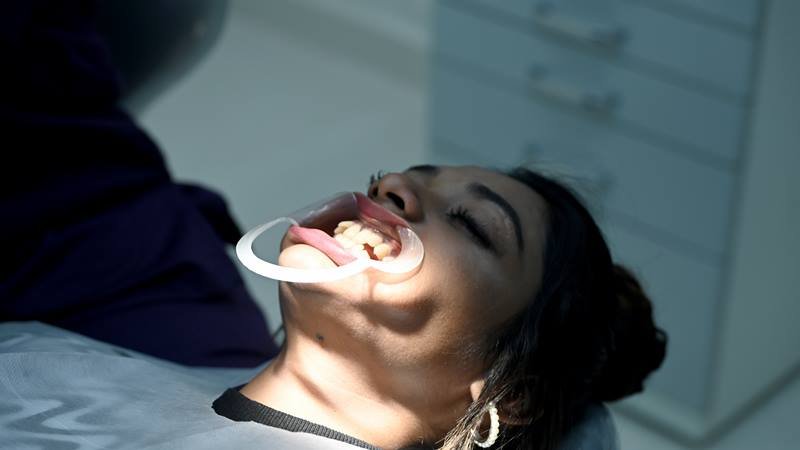
dental anxiety treatment Does the thought of visiting a dentist make you nervous? Do you postpone dental appointments because you are afraid of pain, dental instruments, injections, or the sounds inside a dental clinic? If so, you are not alone. Dental anxiety is a common concern that affects people of different ages and backgrounds.
dental anxiety treatment For some individuals, dental anxiety may cause mild nervousness before an appointment. For others, it can lead to intense fear, panic, sleepless nights, or avoiding dental care for years. Unfortunately, delaying dental visits can allow small problems such as cavities and gum inflammation to progress into more complicated conditions that require extensive treatment.
The good news is that dental anxiety can be managed. Modern dentistry offers several ways to make dental visits more comfortable, including clear communication, gentle treatment techniques, effective local anaesthesia, relaxation strategies, and carefully planned appointments.
At Dr. D’s Dentistry in Royapettah, Chennai, we believe that every patient deserves to feel heard, respected, and comfortable during dental treatment. Whether you need a routine checkup, a filling, root canal treatment, or cosmetic dental care, understanding your fears and discussing them openly with your dentist can make a meaningful difference.
If you are searching for the Best Dental Clinic in Chennai but feel nervous about taking the first step, this guide will help you understand dental anxiety, why it develops, and how you can gradually overcome your fear of the dentist.
1. What Is Dental Anxiety?
Dental anxiety is a feeling of fear, worry, or nervousness associated with dental appointments or dental procedures. It may occur before visiting a dentist, while sitting in the waiting room, or during treatment.
Some patients feel anxious only about specific procedures, such as injections or tooth extraction. Others may experience anxiety even when scheduling an appointment or thinking about visiting a dental clinic.
Dental anxiety exists on a spectrum. Mild anxiety may cause temporary nervousness, while severe anxiety can lead to dental phobia, which may significantly interfere with a person’s ability to receive dental care.
Common thoughts associated with dental anxiety include:
- “What if the treatment hurts?”
- “What if I need a root canal?”
- “I am afraid of dental injections.”
- “I do not like the sound of the dental drill.”
- “What if the dentist finds many problems?”
- “I feel embarrassed about the condition of my teeth.”
- “I am afraid I will not be able to stop the procedure if I feel uncomfortable.”
These concerns are understandable. A supportive dentist can help you discuss them without judgment and develop a treatment plan that respects your comfort and individual needs.
2. What Is the Difference Between Dental Anxiety and Dental Phobia?
Although the terms are sometimes used interchangeably, dental anxiety and dental phobia can differ in intensity.
Dental anxiety
Dental anxiety generally involves nervousness or worry about dental appointments. You may still be able to attend appointments, although you might feel uncomfortable or need reassurance.
Dental phobia
Dental phobia involves a more intense and persistent fear that may lead to extreme distress or complete avoidance of dental care.
A person with dental phobia may experience sweating, trembling, nausea, rapid breathing, or panic when thinking about dental treatment.
Both conditions deserve understanding and appropriate support. You do not need to wait until your fear becomes severe before asking your dentist for help.
3. What Causes Dental Anxiety?
Dental anxiety can develop for several reasons. Identifying the cause of your fear can help you and your dentist choose appropriate strategies to manage it.
3.1 Previous painful dental experiences
A painful or uncomfortable dental procedure in the past can influence how you feel about future appointments.
Even if dental techniques have improved since your earlier experience, the memory of pain may make it difficult to feel relaxed.
Tell your dentist what happened previously and what concerns you most. This allows the dental team to plan treatment with appropriate pain control, reassurance, and breaks.
3.2 Fear of pain
Fear of pain is one of the most common reasons people avoid dental treatment.
Some patients expect every procedure to be painful, particularly root canal treatment, injections, tooth extraction, or treatment of an infected tooth.
Modern dental techniques and local anaesthesia can help manage pain during many procedures. However, comfort varies depending on the treatment, the condition being treated, and individual sensitivity.
Your dentist should explain what sensations you may experience and what can be done if you feel uncomfortable.
3.3 Fear of dental injections
Some people are more frightened of the injection than the dental procedure itself.
The sight of a needle, the anticipation of a sting, or a previous uncomfortable injection may trigger anxiety.
Depending on the procedure, a dentist may use a topical anaesthetic to numb the surface before administering local anaesthesia. Slow, careful injection techniques and clear communication can also improve comfort.
If you are afraid of injections, mention this before treatment begins.
3.4 Sounds and smells in a dental clinic
The sound of a dental handpiece, suction equipment, or other instruments may remind patients of unpleasant experiences.
Certain clinical smells can also trigger memories of previous treatment.
If sounds make you anxious, ask whether you can listen to music through headphones or take short breaks when appropriate.
3.5 Fear of losing control
Some patients feel vulnerable when reclining in a dental chair or when they cannot easily speak during treatment.
Agreeing on a stop signal before the procedure can help you feel more in control. For example, raising your left hand can indicate that you need the dentist to pause.
A dentist who respects this signal can help build trust and make the appointment more manageable.
3.6 Embarrassment about oral health
People sometimes avoid dental care because they feel embarrassed about stained teeth, bad breath, missing teeth, cavities, or years without a dental visit.
They may worry that the dentist will criticise them.
Dental professionals regularly treat patients with a wide range of oral health conditions. The purpose of a dental appointment is to understand your needs and help you improve your oral health, not to judge your past decisions.
3.7 Fear of the cost of treatment
Financial uncertainty can contribute to dental anxiety. Some patients fear that a checkup will reveal several problems that they cannot afford to treat immediately.
Ask your dentist to explain the findings, treatment priorities, available alternatives, and estimated costs before proceeding.
A clear treatment plan can help you make informed decisions without feeling pressured.
3.8 Anxiety learned during childhood
Children may develop dental fear after hearing frightening stories from family members, watching distressing videos, or experiencing an uncomfortable appointment.
Parents can help by describing dental visits positively and avoiding threatening statements such as “If you do not brush, the dentist will give you an injection.”
A calm, supportive approach can help children build confidence in dental care.
4. What Are the Signs and Symptoms of Dental Anxiety?
Dental anxiety can affect both the mind and the body. Symptoms may begin days before an appointment or appear only when treatment starts.
Emotional symptoms
- Feeling nervous before a dental appointment.
- Constantly thinking about possible pain.
- Feeling embarrassed or ashamed about your teeth.
- Wanting to cancel or postpone appointments.
- Feeling overwhelmed when treatment is discussed.
- Fear of receiving unexpected dental news.
Physical symptoms
- Sweating or trembling.
- Rapid heartbeat.
- Nausea or stomach discomfort.
- Muscle tension.
- Dry mouth.
- Shallow or rapid breathing.
- Difficulty sleeping before an appointment.
Behavioural symptoms
- Avoiding routine dental checkups.
- Cancelling appointments repeatedly.
- Delaying treatment until pain becomes severe.
- Avoiding particular procedures despite ongoing symptoms.
- Attending only when a dental emergency occurs.
If dental anxiety is affecting your oral health or everyday life, discussing it with your dentist is an important first step.
5. Why Should You Not Avoid the Dentist Because of Fear?
Avoiding the dentist may provide temporary relief from anxiety, but it can allow dental problems to worsen.
For example, a small cavity may initially require a simple filling. If decay progresses into the dental pulp, more extensive treatment, such as root canal treatment and a restoration, may become necessary.
Similarly, untreated gum inflammation can progress in some patients to more advanced periodontal disease. A cracked tooth or dental infection may also become more difficult to manage if care is delayed.
Regular dental visits help identify problems early, when treatment may be simpler and more conservative.
If you have been avoiding dental appointments for several years, you do not need to feel ashamed. You can begin with a consultation focused on understanding your concerns, without committing to treatment immediately unless urgent care is required.
6. How to Overcome Dental Anxiety Before Your Appointment
Preparing for your appointment can reduce uncertainty and help you feel more confident.
6.1 Tell your dentist about your fear
Be open about your anxiety when booking the appointment or speaking to the dentist.
You could say:
“I feel anxious about dental treatment, especially injections and the possibility of pain. I would appreciate it if you could explain each step and allow me to take breaks when needed.”
This gives the dental team an opportunity to adapt the appointment to your needs.
6.2 Start with a consultation
If your fear is severe, consider beginning with a consultation rather than scheduling a lengthy procedure straight away.
The first visit can focus on discussing your concerns, reviewing your medical and dental history, and understanding the condition of your teeth.
Your dentist can then explain the recommended treatment options and answer your questions.
Knowing what to expect may make future appointments less intimidating.
6.3 Choose a convenient appointment time
Choose a time when you are less likely to feel rushed or tired.
Some patients prefer morning appointments because they have less time to worry beforehand. Others feel more comfortable later in the day.
Allow enough time to reach the clinic without rushing, and avoid scheduling the appointment immediately before another stressful commitment.
6.4 Avoid excessive caffeine
Caffeine may increase feelings of jitteriness or a racing heartbeat in some people.
If you notice that coffee or energy drinks make you more anxious, consider avoiding them before your appointment.
Follow any specific instructions given by your dentist, particularly if sedation or another procedure requiring preparation is planned.
6.5 Bring a trusted companion
For some patients, having a supportive family member or friend accompany them can reduce anxiety.
Ask the clinic whether your companion can remain with you during the consultation or treatment. Policies may vary depending on the procedure and clinical circumstances.
6.6 Write down your questions
Anxiety can make it difficult to remember everything you want to ask.
Before your appointment, write down your main concerns, such as:
- Will the procedure hurt?
- What type of anaesthesia will be used?
- How long will the appointment take?
- Are there alternatives to the recommended treatment?
- Can I take breaks during treatment?
- What should I expect after the procedure?
Having your questions ready can help you feel more informed and involved in decisions about your care.
7. What Can You Do to Stay Calm During Dental Treatment?
Several simple techniques may help reduce anxiety while you are in the dental chair.
Practise slow breathing
Slow, comfortable breathing may help reduce physical tension.
Try breathing gently through your nose, allowing your abdomen to expand, and then exhaling slowly. Avoid forcing deep breaths or holding your breath.
Practising this technique at home before your appointment may make it easier to use when you feel nervous.
Listen to music
Music or calming audio through headphones may help distract you from equipment sounds, if it is safe and practical for the procedure.
Let your dentist know if you are wearing headphones so you can still hear necessary instructions.
Use a stop signal
Agree on a signal before treatment begins. Raising your hand can indicate that you need the dentist to stop and give you a moment.
Knowing that you can ask for a pause may reduce the feeling of losing control.
Ask for explanations in advance
Some patients prefer the dentist to explain every step. Others feel more anxious when they hear detailed descriptions of instruments and procedures.
Tell your dentist which approach helps you most. You can request a brief explanation before each step without hearing unnecessary details during the procedure.
Take planned breaks
For longer appointments, brief breaks may help you relax and regain your composure.
Your dentist can plan pauses at appropriate points while ensuring that the procedure remains safe and effective.
8. Can Modern Dentistry Be Painless?
Modern dentistry has several techniques to improve patient comfort, but it is important to understand that no procedure can be guaranteed to be completely painless for everyone.
Local anaesthesia is commonly used to reduce or block pain during fillings, root canal treatment, and tooth extraction. Dentists can also adjust techniques according to the patient’s condition and response.
Before treatment begins, your dentist should check that the anaesthesia is working adequately. If you feel pain during the procedure, signal the dentist so the situation can be assessed.
You may still notice pressure, vibration, movement, or unusual sounds even when pain is well controlled. Your dentist can explain which sensations are normal for the procedure.
At Dr. D’s Dentistry, patient comfort, communication, and appropriate pain management are important considerations when planning dental care.
9. How Does Local Anaesthesia Help Reduce Dental Anxiety?
Local anaesthesia temporarily blocks pain signals from the treated area, helping the dentist perform many procedures more comfortably.
It is commonly used for fillings, root canal treatment, gum procedures, and extractions when indicated.
Patients who fear injections can discuss this concern before the procedure. Depending on the situation, the dentist may use topical anaesthetic gel, careful injection techniques, and a step-by-step approach.
It is important to inform your dentist about allergies, medical conditions, pregnancy, previous reactions to anaesthesia, and all medications you take.
Local anaesthesia helps control pain, but it does not automatically eliminate anxiety. Combining appropriate anaesthesia with reassurance and good communication can provide a more comfortable experience.
10. Is Sedation Dentistry an Option for Severe Dental Anxiety?
For some patients with significant dental anxiety, sedation may be an option. The appropriate method depends on the person’s health, level of anxiety, planned treatment, and available clinical facilities.
Sedation is different from local anaesthesia. Local anaesthesia reduces pain in a specific area, while sedation helps reduce anxiety and may cause relaxation or drowsiness, depending on the method used.
Possible approaches include the following.
Nitrous oxide sedation
Nitrous oxide, sometimes called laughing gas, is inhaled through a mask and can help some patients feel calmer during dental treatment.
Availability and suitability vary. It must be administered by appropriately trained professionals with suitable monitoring and safety procedures.
Oral sedation
In selected cases, a clinician may prescribe a sedative medication before treatment.
Oral sedation can cause drowsiness and affect coordination and judgement. It requires careful assessment, appropriate instructions, and arrangements for an accompanying adult when indicated.
Never take a sedative on your own before a dental appointment.
Intravenous sedation
Intravenous sedation may be considered for selected patients or procedures. It requires appropriate training, monitoring, equipment, and recovery arrangements.
It is not necessary or suitable for every anxious patient.
General anaesthesia
General anaesthesia is reserved for specific clinical situations and is performed in an appropriate setting by qualified professionals. It is not routinely required for ordinary dental anxiety.
Your dentist can discuss whether behavioural strategies, local anaesthesia, sedation, or referral to a suitably equipped service is appropriate for you.
11. Can Cognitive Behavioural Therapy Help With Dental Anxiety?
Cognitive behavioural therapy (CBT) is a structured psychological approach that helps people identify and change unhelpful thought patterns and behaviours.
For example, someone with dental anxiety may automatically think, “Every dental procedure will be unbearable.” CBT can help them examine this expectation, develop more balanced thoughts, and practise coping strategies.
Depending on the individual’s needs, treatment may involve:
- Identifying specific triggers.
- Learning relaxation techniques.
- Challenging catastrophic predictions.
- Gradually facing feared situations.
- Building confidence through repeated positive experiences.
CBT may be especially useful for severe or persistent dental phobia. A mental health professional experienced in anxiety disorders can help determine an appropriate approach.
12. What Is Gradual Exposure, and How Can It Help?
Gradual exposure involves approaching a feared situation in small, manageable steps rather than confronting everything at once.
For dental anxiety, a step-by-step plan might look like this:
Step 1: Book an appointment and speak to the clinic about your concerns.
Step 2: Attend a consultation and meet the dentist.
Step 3: Discuss your dental history and examine your treatment options.
Step 4: Begin with a short, straightforward procedure if appropriate.
Step 5: Gradually work towards more complex treatment as your confidence improves.
This approach should be tailored to your comfort and clinical needs. It does not mean postponing urgent treatment or forcing yourself through distress.
A supportive dentist can help you decide what is manageable at each stage.
13. How Can You Overcome Fear of Root Canal Treatment?
Root canal treatment is often associated with fear because of stories about pain and difficult dental experiences.
However, modern root canal treatment is designed to treat inflammation or infection inside a tooth and relieve the symptoms caused by the affected pulp.
The procedure usually involves examining the tooth, administering local anaesthesia, removing the affected pulp tissue, cleaning and shaping the root canals, and sealing them. A suitable restoration may be needed afterwards to protect the tooth.
Patients may experience tenderness for a short period after treatment, depending on the original infection and the procedure.
If you are anxious about root canal treatment, ask your dentist to explain the steps, expected sensations, anaesthesia options, and likely recovery.
A Root Canal Specialist in Chennai can assess whether root canal treatment is appropriate and discuss ways to improve comfort.
Do not postpone an assessment because of fear if you have persistent toothache, swelling, or signs of infection. Prompt treatment may prevent the problem from becoming more complicated.
14. How Can You Help a Child Who Is Afraid of the Dentist?
Children may feel anxious because a dental clinic is unfamiliar, they do not understand the procedure, or they have heard frightening stories.
Parents and caregivers can help children develop a positive relationship with dental care.
Use positive language
Explain that the dentist helps keep teeth clean and healthy. Avoid threatening statements or descriptions of dental procedures as punishment.
Avoid transferring your own fear
Children may notice a parent’s nervousness. If you feel anxious yourself, try to speak calmly about the appointment and avoid sharing frightening experiences beforehand.
Prepare the child for the visit
Explain what may happen in simple, age-appropriate language. Avoid making promises that cannot be guaranteed, such as saying that the child will not feel anything at all.
Choose a child-friendly approach
A dentist experienced in treating children can adapt communication, pacing, and behaviour guidance to the child’s age and needs.
Praise cooperation
Recognise the child’s effort, even if the appointment is short or the child needs additional time to become comfortable.
If you are looking for a Kid Specialist in Chennai, choose a dental professional who prioritises age-appropriate communication, prevention, and a supportive clinical environment.
Early positive experiences can help children develop healthy dental habits and reduce the likelihood of persistent dental fear.
15. How Can You Find a Dentist Who Understands Dental Anxiety?
Choosing a dentist who listens to your concerns can make a significant difference to your experience.
When searching for the Best Dentist near me or the Best Dental Clinic near me, consider the following factors.
Clear communication
The dentist should explain your diagnosis, recommended treatment, alternatives, and expected sensations in language you understand.
Respect for your concerns
A supportive dental team should take your fear seriously without making you feel embarrassed or rushed.
Transparent treatment planning
You should receive a clear explanation of the treatment priorities, expected costs, and alternatives where appropriate.
Appropriate pain management
Ask how pain will be controlled and what you should do if you feel uncomfortable during treatment.
Flexible appointment planning
Shorter visits, breaks, or staged treatment may help some anxious patients.
Suitable clinical facilities
If sedation is being considered, confirm that the clinic has the appropriate trained professionals, monitoring, equipment, and recovery arrangements for the proposed method.
Patients looking for a Best Affordable Dental Clinic in Chennai should also ask for a treatment estimate and discuss suitable options within their budget.
Convenience may matter too. If you are searching for a Best Dental Clinic within 1 KM of your home or workplace, consider whether the location makes it easier to attend routine checkups and follow-up appointments.
16. Can Cosmetic Dentistry Help Build Confidence?
For some people, concerns about stained, chipped, uneven, or missing teeth contribute to embarrassment and reluctance to visit a dentist.
Cosmetic dentistry may improve the appearance of teeth when treatment is clinically appropriate. However, cosmetic procedures are not a substitute for managing dental anxiety itself.
A Smile Specialist in Chennai or Smile Designer in Chennai can discuss treatment options such as tooth-coloured restorations, veneers, or other smile-enhancement procedures after evaluating your oral health.
If you are interested in straightening your teeth, an Invisalign Specialist in Chennai can assess whether clear aligners are suitable for your needs.
For missing teeth, an Implant Specialist in Chennai can explain implant treatment and other replacement options.
The first step is a comprehensive examination and an open discussion about your concerns. You do not need to have perfect teeth before visiting a dentist.
17. What Should You Do If You Have Avoided the Dentist for Years?
If it has been several years since your last dental visit, you may feel embarrassed or afraid of what the dentist will find.
Remember that you can restart dental care at any stage. The most useful step is to arrange an appointment and explain your concerns honestly.
You can make the first visit easier by:
- Choosing a clinic that understands dental anxiety.
- Requesting a consultation before treatment.
- Explaining any previous painful experiences.
- Asking for a clear assessment and treatment priorities.
- Discussing costs before agreeing to procedures.
- Agreeing on a stop signal and breaks.
- Beginning with manageable treatment when clinically appropriate.
If several dental problems are identified, your dentist can help prioritise them. Pain, swelling, infection, and other urgent conditions may need attention before less urgent or cosmetic concerns.
You do not have to complete every procedure in one visit. A structured plan can make treatment more manageable.
18. Daily Habits That Can Reduce Future Dental Anxiety
Preventive oral care can reduce the likelihood of some dental problems and help make future appointments more straightforward.
Brush twice daily
Brush for two minutes using fluoride toothpaste and a soft-bristled toothbrush.
Clean between your teeth
Use dental floss or another appropriate interdental cleaner daily to remove plaque from areas a toothbrush may miss.
Limit frequent sugary snacks
Frequent exposure to sugary foods and drinks can increase the risk of tooth decay. Choose balanced meals and limit repeated sugary snacks.
Attend routine checkups
Regular dental examinations help identify cavities, gum disease, and other problems early.
Address symptoms promptly
Do not ignore bleeding gums, persistent sensitivity, toothache, or swelling. Early assessment may prevent a minor problem from progressing.
Build familiarity with the clinic
For anxious patients, attending routine appointments before a dental problem becomes urgent may help build trust and familiarity with the dental team.
Preventive care cannot eliminate every dental problem, but it can reduce avoidable risks and help you feel more confident about maintaining oral health.
19. Frequently Asked Questions About Dental Anxiety
Q1. Is dental anxiety common?
Yes. Many people experience some degree of nervousness about dental appointments. The intensity varies from mild worry to severe phobia. Dental teams can use communication, behavioural strategies, and appropriate clinical techniques to help.
Q2. How can I stop being afraid of the dentist?
Start by identifying what worries you most. Tell your dentist, ask for a consultation, agree on a stop signal, and consider relaxation techniques. If your fear is severe, psychological support such as CBT may help.
Q3. Can I ask my dentist to stop during treatment?
Yes. You can discuss a stop signal before the procedure begins. Raising your hand can indicate that you need the dentist to pause, assess your comfort, and explain the next step.
Q4. Will dental treatment hurt?
Many procedures can be performed with effective local anaesthesia to control pain. You may still feel pressure, vibration, or movement. Tell your dentist immediately if you feel pain so the cause can be assessed and comfort measures adjusted.
Q5. How can I overcome fear of dental injections?
Tell your dentist about your fear before treatment. Topical anaesthetic, careful injection techniques, distraction, and step-by-step communication may help reduce discomfort and anxiety.
Q6. Is sedation dentistry safe?
Sedation can be appropriate for selected patients when performed by trained professionals with suitable assessment, monitoring, and recovery arrangements. The risks and benefits depend on the method used and your medical history.
Q7. Can dental anxiety cause me to avoid treatment?
Yes. Some people repeatedly postpone appointments because of fear. If this is happening to you, start with a consultation and explain your concerns. You can work with your dentist to develop a manageable plan.
Q8. What if I am embarrassed about my teeth?
Dentists treat people with a wide range of oral health concerns. Their role is to assess your needs and recommend appropriate care, not to judge you. Tell the clinic if embarrassment is making it difficult to attend.
Q9. How can I help my child overcome dental fear?
Use positive language, explain appointments in age-appropriate terms, avoid threats, and choose a dental team experienced in treating children. Calm, supportive visits can help build confidence over time.
Q10. Can I overcome dental phobia completely?
Many people can substantially reduce their fear with appropriate support. Progress varies from person to person. A combination of gradual exposure, a trusting dental relationship, and psychological treatment when needed may be helpful.
Q11. Should I visit a dentist if I have severe dental anxiety?
Yes. You can explain your concerns when booking and ask for an initial consultation. If you have severe pain, swelling, fever, or other signs of infection, seek prompt dental care rather than waiting for the anxiety to disappear.
Q12. Where can I find a dentist who understands dental anxiety in Chennai?
Look for a dental clinic that listens to your concerns, explains treatment options clearly, and discusses pain management and appointment adjustments. Dr. D’s Dentistry in Royapettah, Chennai, can be contacted to discuss your dental concerns and determine the appropriate next step.
20. Key Takeaways: Overcoming Dental Anxiety
Dental anxiety is real, but it does not have to prevent you from maintaining a healthy smile.
Remember these important points:
- Dental anxiety can develop from previous experiences, fear of pain, injections, sounds, or loss of control.
- Open communication helps your dentist understand your specific concerns.
- Local anaesthesia can reduce pain during many dental procedures.
- Relaxation techniques, music, stop signals, and planned breaks may improve comfort.
- Sedation may be suitable for selected patients following clinical assessment.
- CBT and gradual exposure can help manage persistent or severe dental phobia.
- Children benefit from age-appropriate explanations and supportive dental experiences.
- Regular preventive visits can help identify problems early.
- Dental pain, swelling, and signs of infection should not be ignored because of fear.
Conclusion
Dental anxiety can make even a routine checkup feel overwhelming. Whether your fear comes from a previous painful experience, concern about injections, unfamiliar sounds, or embarrassment about your teeth, your feelings deserve to be taken seriously.
The first step towards overcoming dental anxiety is not forcing yourself to tolerate everything at once. It is finding a dental team that listens, explains the available options, and works with you to make treatment more manageable.
Modern dentistry offers effective ways to control pain, improve comfort, and support anxious patients. With clear communication, gradual progress, and appropriate treatment planning, many people can rebuild their confidence and return to regular dental care.
At Dr. D’s Dentistry in Royapettah, Chennai, we encourage patients to discuss their fears openly so their concerns can be considered when planning treatment. Whether you need a simple checkup, a filling, root canal treatment, or guidance about improving your smile, you deserve respectful care and clear explanations.
If fear has kept you away from the dentist, consider taking the first step by arranging a consultation. A healthier smile can begin with a conversation.
Contact Dr. D’s Dentistry, Chennai, to discuss your dental concerns and explore an approach to dental care that suits your needs.
SEO Details
SEO Title: Dental Anxiety: How to Overcome Fear of the Dentist
Meta Description: Afraid of visiting the dentist? Learn the causes of dental anxiety, ways to manage fear, painless treatment options, and tips for comfortable dental visits at Dr. D’s Dentistry, Chennai.
Suggested URL Slug: /dental-anxiety-how-to-overcome-fear-of-the-dentist/
Primary Keyword: dental anxiety
Secondary Keywords:
- Fear of the dentist
- Dental phobia
- Overcoming dental anxiety
- Dental anxiety treatment
- Anxiety-free dental treatment
- Painless dentistry
- Gentle dental care
- Best Dental Clinic in Chennai
- Best Dentist near me
- Best Affordable Dental Clinic in Chennai
- Best Dental Clinic near me
- Best Dental Clinic within 1 KM
- Kid Specialist in Chennai
- Root Canal Specialist in Chennai
- Smile Specialist in Chennai
- Smile Designer in Chennai
- Invisalign Specialist in Chennai
- Implant Specialist in Chennai
- Dr. D’s Dentistry
- Dental clinic near Royapettah, Mylapore, Alwarpet, and Gopalapuram