
Healthy teeth and gums are essential for more than just a beautiful smile. Good oral health supports comfortable eating, clear speech, fresh breath, and overall quality of life. Many dental problems, including cavities, gum disease, tooth sensitivity, bad breath, and tooth loss, can often be prevented or managed effectively with consistent oral hygiene and regular professional dental care.
Maintaining healthy teeth and gums does not require complicated routines. Simple habits such as brushing correctly, cleaning between the teeth, eating a balanced diet, limiting sugary foods, staying hydrated, and visiting your dentist regularly can make a significant difference.
Whether you are looking for a Best Dental Clinic near me, a Best Dentist near me, or a trusted dental team for your family’s oral health, understanding the fundamentals of preventive dentistry is the first step toward maintaining a healthy smile.
Healthy Teeth and Gums Important Why Are Healthy Teeth and Gums Important?
Healthy Teeth and Gums Important Your teeth and gums work together to support many everyday functions. Teeth help you bite and chew food, while healthy gums provide the foundation that supports the teeth.
Poor oral hygiene can allow plaque to accumulate around the teeth and gumline. Over time, plaque can contribute to tooth decay and gum inflammation. If gum disease is left untreated, it can progress and affect the tissues and bone supporting the teeth.
Good oral hygiene helps:
- Prevent cavities
- Reduce the risk of gum disease
- Control plaque and tartar buildup
- Prevent bad breath
- Protect against tooth sensitivity
- Maintain strong teeth
- Preserve the natural appearance of your smile
- Reduce the risk of premature tooth loss
- Support long-term oral health
Preventive care is usually easier, more comfortable, and more affordable than treating advanced dental problems.
1. Brush Your Teeth Twice a Day
Brushing twice a day is one of the most important habits for maintaining healthy teeth and gums.
Ideally, brush once in the morning and once before going to bed. Night-time brushing is particularly important because food debris and plaque can remain on the teeth for several hours while you sleep.
Use a soft-bristled toothbrush and fluoride toothpaste unless your dentist recommends a different product.
How Should You Brush?
Healthy Teeth and Gums Important Hold the toothbrush at approximately a 45-degree angle toward the gumline. Use gentle, small circular or short back-and-forth movements rather than aggressive scrubbing.
Make sure you clean:
- Outer surfaces of the teeth
- Inner surfaces
- Chewing surfaces
- Gumline
- Back teeth
- Areas around dental restorations
Brushing too hard does not make teeth cleaner. Excessive pressure can irritate the gums and contribute to enamel or root surface wear.
2. Brush for About Two Minutes
Healthy Teeth and Gums Important Brushing quickly for 30 or 40 seconds may not provide adequate cleaning.
Aim for approximately two minutes each time you brush. Divide your mouth into sections so that you spend enough time on every area.
A simple routine is:
- Upper right teeth
- Upper left teeth
- Lower right teeth
- Lower left teeth
Don’t forget the inner surfaces and chewing surfaces of the back teeth.
If you find it difficult to brush for two minutes, an electric toothbrush with a built-in timer can be helpful.
3. Clean Between Your Teeth Every Day
Healthy Teeth and Gums ImportantBrushing alone cannot effectively clean every surface between the teeth.
Food particles and plaque can accumulate in these areas, particularly between tightly positioned teeth. Over time, this can contribute to cavities and gum inflammation.
Depending on your needs, your dentist may recommend:
- Dental floss
- Floss picks
- Interdental brushes
- Water flossers
- Specialized cleaning aids
The most important thing is to clean between the teeth consistently and use a method that you can perform correctly.
4. Pay Attention to Your Gumline
Healthy gums are usually firm and do not bleed easily during normal brushing or cleaning.
Signs that your gums may need attention include:
- Redness
- Swelling
- Tenderness
- Bleeding
- Persistent bad breath
- Gum recession
- Changes in the position of teeth
- Loose teeth
Healthy Teeth and Gums Important Occasional bleeding should not simply be dismissed as normal. It can be a sign of plaque-induced gum inflammation.
If you notice persistent bleeding, schedule a dental examination.
5. Use Fluoride Toothpaste
Healthy Teeth and Gums Important Fluoride helps strengthen enamel and makes teeth more resistant to acid attacks that can contribute to tooth decay.
For most people, brushing twice daily with an appropriate fluoride toothpaste is an important part of cavity prevention.
Your dentist can also recommend specialized toothpaste if you have:
- Tooth sensitivity
- High cavity risk
- Gum problems
- Enamel wear
- Dry mouth
- Other specific dental concerns
Avoid switching between multiple products without understanding whether they are appropriate for your particular needs.
6. Replace Your Toothbrush Regularly
Healthy Teeth and Gums Important A toothbrush becomes less effective as the bristles wear out.
As a general guideline, replace your toothbrush or electric toothbrush head approximately every three to four months, or sooner if the bristles become frayed.
You may also need to replace it earlier after certain illnesses, depending on your dentist’s advice.
A clean, functional toothbrush allows you to maintain better plaque control.
7. Limit Sugary Foods and Drinks
Healthy Teeth and Gums Important Sugar itself does not simply “stick” to teeth and cause cavities. The problem is that bacteria in dental plaque can use sugars to produce acids that attack tooth enamel.
Frequent exposure to sugary foods and drinks can increase the risk of tooth decay.
Try to limit:
- Sugary soft drinks
- Sweetened juices
- Candy
- Chocolates
- Cakes and pastries
- Biscuits
- Sweetened tea and coffee
- Frequent snacking on sugary foods
Healthy Teeth and Gums Important The frequency of sugar exposure matters as well as the total amount consumed.
Instead of repeatedly sipping a sugary beverage throughout the day, it is better to minimize how often your teeth are exposed to it.
8. Choose Tooth-Friendly Foods
A balanced diet can support both oral and general health.
Include a variety of:
- Vegetables
- Fruits
- Whole grains
- Protein-rich foods
- Dairy products or suitable alternatives
- Nuts and seeds where appropriate
Healthy Teeth and Gums Important Crunchy fruits and vegetables can also stimulate saliva production and contribute to a healthy diet.
Calcium and other essential nutrients are important for maintaining healthy teeth and supporting the surrounding structures.
9. Drink Plenty of Water
Healthy Teeth and Gums Important Water is one of the simplest choices for supporting oral health.
It helps wash away food particles and can support normal saliva production. Drinking water instead of sugary beverages also reduces repeated exposure to sugar and acids.
If you frequently experience dry mouth, talk to your dentist about possible causes and ways to manage it.
10. Do Not Ignore Bad Breath
Bad breath can occasionally result from foods you have eaten, but persistent bad breath may be associated with an oral health problem.
Possible causes include:
- Plaque accumulation
- Gum disease
- Poor oral hygiene
- Tongue coating
- Cavities
- Dry mouth
- Certain dental infections
Cleaning your tongue and maintaining proper brushing and interdental cleaning can help.
However, persistent bad breath should be evaluated rather than masked with mints or mouth fresheners.
11. Clean Your Tongue
The tongue can accumulate bacteria, food debris, and a coating that may contribute to bad breath.
Gently cleaning your tongue once a day can be incorporated into your oral hygiene routine.
You can use:
- A tongue cleaner
- The tongue-cleaning surface of some toothbrushes
- Your toothbrush
Be gentle. Excessive scraping is unnecessary and may irritate the tongue.
12. Avoid Tobacco and Smoking
Smoking and tobacco use can significantly affect oral health.
They are associated with problems including gum disease, tooth staining, bad breath, delayed healing, and an increased risk of oral cancer.
If you use tobacco, consider discussing cessation support with a qualified healthcare professional.
Protecting your mouth from tobacco exposure is an important part of maintaining healthy teeth and gums.
13. Protect Your Teeth During Sports
Dental injuries can happen during contact sports and recreational activities.
If you or your child participates in activities where there is a risk of facial impact, a properly fitted mouthguard can help protect the teeth and surrounding structures.
Children in particular may benefit from preventive dental guidance because their teeth and jaws are still developing.
A Kid Specialist in Chennai can also help parents understand age-appropriate oral hygiene, dietary habits, preventive treatments, and dental care for children.
14. Never Use Your Teeth as Tools
Teeth are designed for chewing—not opening packages, cutting tape, cracking shells, or biting hard objects.
Using your teeth as tools can cause:
- Chipped teeth
- Cracks
- Fractures
- Damage to fillings or crowns
- Jaw discomfort
Even a tooth that feels strong can fracture under excessive force.
15. Be Careful With Hard and Sticky Foods
Hard foods and sticky sweets can sometimes cause dental problems, particularly if you already have fillings, crowns, veneers, or weakened teeth.
Avoid unnecessarily biting extremely hard objects such as:
- Ice
- Hard candy
- Pen caps
- Bottle caps
- Other non-food objects
If a particular food consistently causes discomfort or sensitivity, discuss it with your dentist.
16. Visit Your Dentist Regularly
One of the most important ways to maintain healthy teeth and gums is to have regular dental examinations.
There is no single appointment interval that is perfect for everyone. Your dentist may recommend visits based on your:
- Oral hygiene
- Cavity risk
- Gum health
- Age
- Medical and dental history
- Existing restorations
- Smoking or tobacco exposure
- Previous dental problems
- Orthodontic treatment
- Implant or prosthetic treatment
Regular checkups can allow problems to be identified before they become more complicated.
If you have been searching for a Best Dental Clinic within 1 KM, choosing a conveniently located clinic can make it easier to maintain consistent preventive appointments.
17. Get Professional Dental Cleaning When Needed
Even with excellent brushing and flossing, hardened deposits called tartar or calculus may develop.
Once plaque hardens into calculus, it cannot simply be removed with a toothbrush.
Professional dental cleaning can help remove deposits from areas that are difficult to clean at home.
Your dentist or dental hygienist can also provide personalized guidance on brushing and interdental cleaning.
Dental cleaning does not replace daily brushing. Instead, it complements your home-care routine.
18. Treat Cavities Early
Healthy Teeth and Gums Important A small cavity may not cause noticeable symptoms initially.
Waiting until a tooth becomes painful can sometimes mean that the problem has progressed deeper into the tooth.
Depending on the extent of decay, treatment may involve:
- Preventive care
- Fluoride treatment
- Dental filling
- Inlay or onlay
- Dental crown
- Root canal treatment
- Extraction in severely damaged cases
Healthy Teeth and Gums Important Early diagnosis can help preserve more of the natural tooth structure.
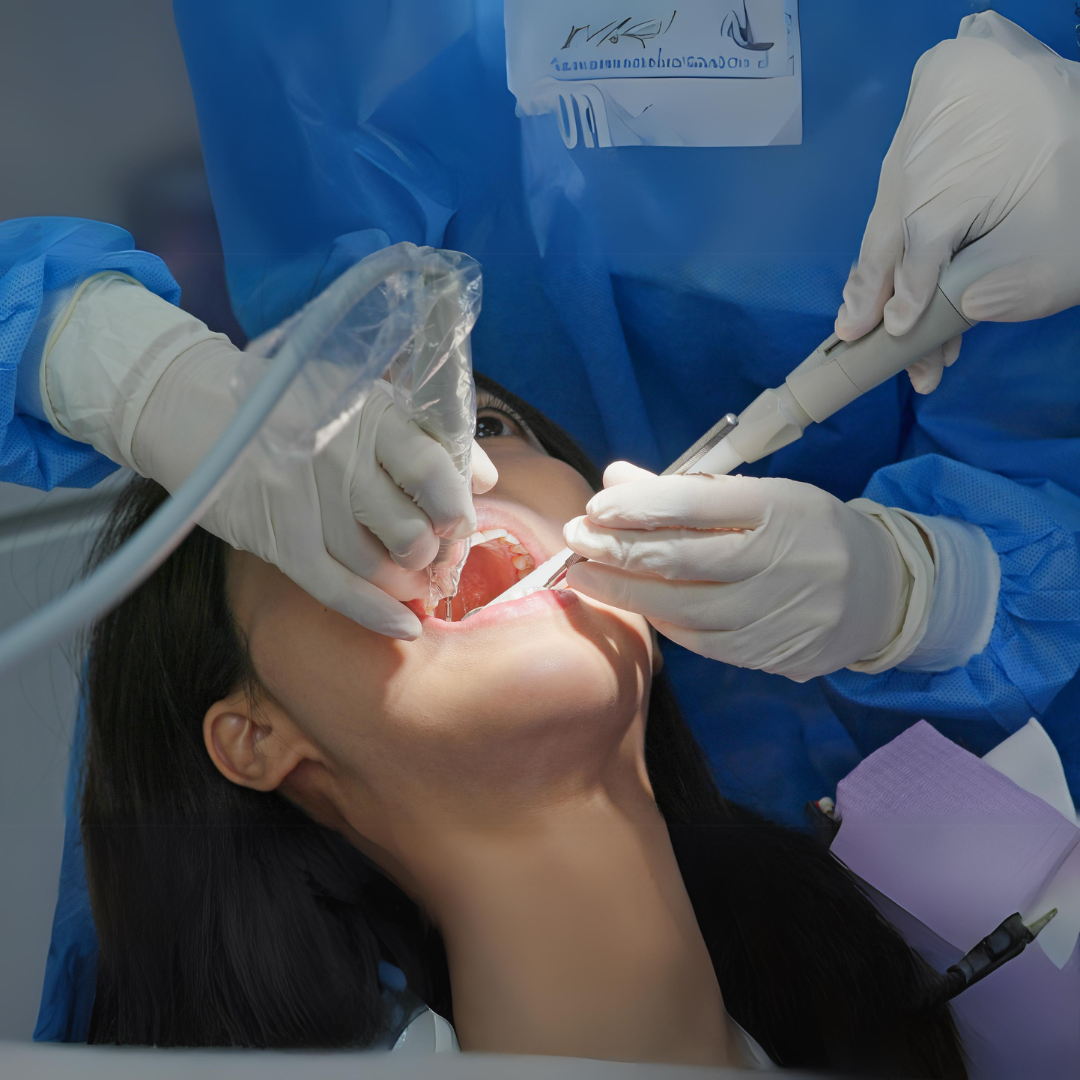
19. Do Not Ignore Tooth Sensitivity
Sensitivity to cold, hot, sweet, or acidic foods can have several causes.
These may include:
- Enamel wear
- Gum recession
- Tooth decay
- Cracked teeth
- Worn fillings
- Exposed root surfaces
- Certain dental treatments
Using a desensitizing toothpaste may help some people, but persistent or localized sensitivity should be evaluated.
A dentist can determine whether the sensitivity is simply due to exposed dentin or whether there is an underlying dental problem.
20. Take Gum Disease Seriously
Gum disease can develop gradually.
The earliest stage, commonly called gingivitis, involves inflammation of the gums. Without appropriate care, periodontal disease can progress and affect the tissues supporting the teeth.
Potential warning signs include:
- Bleeding gums
- Swollen gums
- Persistent bad breath
- Gum recession
- Tenderness
- Loose teeth
- Changes in the way teeth fit together
Professional evaluation is important if you notice these symptoms.
Maintaining healthy teeth and gums requires attention to the gums just as much as the teeth.
21. Consider Preventive Dental Treatments
Depending on your age and risk factors, your dentist may recommend preventive treatments.
These can include:
- Fluoride applications
- Pit and fissure sealants
- Professional cleaning
- Personalized oral hygiene instruction
- Night guards for selected patients
- Sports mouthguards
- Regular dental examinations
Preventive dentistry is not about treating everyone in exactly the same way. The approach should be tailored to the individual.
22. Take Extra Care of Children’s Teeth
Children need oral hygiene guidance from an early age.
Parents can help by:
- Supervising brushing
- Encouraging twice-daily brushing
- Limiting frequent sugary snacks
- Encouraging water
- Introducing interdental cleaning when appropriate
- Scheduling regular dental visits
- Addressing dental anxiety positively
Children should not be expected to have perfect brushing technique immediately. Parents may need to assist or supervise depending on the child’s age and ability.
Early positive dental experiences can help establish good lifelong habits.
23. Maintain Oral Hygiene During Orthodontic Treatment
Braces and clear aligners can make oral hygiene more challenging.
With traditional braces, food and plaque can collect around brackets and wires. Patients should pay particular attention to cleaning around these areas.
Clear aligner patients should also maintain excellent hygiene and follow instructions regarding when to wear and remove their aligners.
Whether you are considering braces or clear aligners, maintaining healthy teeth and gums throughout treatment is essential.
An Invisalign Specialist in Chennai can evaluate your orthodontic needs and explain whether clear aligner treatment is appropriate for you.
24. Look After Dental Implants and Restorations
Dental implants can replace missing teeth, but they still require regular care.
Patients with implants should continue:
- Brushing twice daily
- Cleaning between teeth and around implants
- Attending follow-up appointments
- Monitoring gum health
- Avoiding tobacco
- Following professional maintenance recommendations
An Implant Specialist in Chennai can guide patients regarding implant maintenance, hygiene, and long-term follow-up.
Similarly, crowns, bridges, veneers, fillings, and dentures require appropriate cleaning and professional review.
25. Do Not Delay Treatment for Persistent Dental Problems
Small dental problems can sometimes become larger problems when ignored.
For example, untreated decay can progress deeper into a tooth. A cracked tooth may worsen under continued chewing pressure. Gum inflammation can progress if the underlying cause is not addressed.
If you experience persistent:
- Toothache
- Swelling
- Bleeding
- Sensitivity
- Bad breath
- Loose teeth
- Difficulty chewing
schedule a dental examination.
If you need a Root Canal Specialist in Chennai, a proper diagnosis can determine whether root canal treatment is necessary or whether another treatment would be more appropriate.
26. Manage Dental Anxiety
Dental anxiety can sometimes prevent people from attending regular appointments.
If you feel nervous about dental treatment, tell your dentist before the procedure. A good dental team can explain the treatment step by step and discuss ways to make the appointment more comfortable.
Understanding what is going to happen can make dental care feel more predictable.
Modern dentistry also offers digital diagnostics, improved anesthesia techniques, minimally invasive approaches, and patient-focused treatment planning.
27. Maintain Your Smile, Not Just Your Teeth
Oral health and smile aesthetics often overlap.
A healthy smile may involve maintaining:
- Tooth structure
- Gum health
- Tooth color
- Tooth alignment
- Proportion
- Function
- Overall facial harmony
If cosmetic concerns are affecting your confidence, a Smile Specialist in Chennai can discuss available options after evaluating your oral health.
A Smile Designer in Chennai may also use digital planning to help visualize potential cosmetic treatment in appropriate cases.
However, cosmetic treatment should always begin with a healthy foundation.
Healthy Teeth and Gums: A Simple Daily Routine
A practical daily routine can be surprisingly simple.
Morning
- Brush with fluoride toothpaste
- Clean your tongue
- Have a balanced breakfast
- Drink water
During the Day
- Drink plenty of water
- Limit sugary snacks and drinks
- Avoid tobacco
- Rinse with water after meals when brushing is not possible
- Avoid using teeth as tools
Night
- Brush for approximately two minutes
- Clean between your teeth
- Clean your tongue gently
- Complete any additional dental care recommended by your dentist
The most important factor is consistency.
Common Mistakes That Can Affect Oral Health
Even people who brush every day can unknowingly make mistakes.
Brushing Too Hard
More pressure does not mean better cleaning.
Brushing Immediately After Every Acidic Food or Drink
Acidic foods and beverages can temporarily soften the enamel surface. Your dentist can advise you about appropriate timing for brushing depending on your diet and oral health.
Skipping Interdental Cleaning
Plaque between teeth can remain even when the visible tooth surfaces look clean.
Using Too Much Mouthwash
Mouthwash can be useful in certain situations, but it should not replace brushing and interdental cleaning.
Ignoring Bleeding Gums
Persistent bleeding deserves attention.
Waiting for Pain
Many dental problems can exist before symptoms appear.
How Often Should You Have a Dental Checkup?
The appropriate frequency depends on your individual risk.
Some people may benefit from routine six-monthly visits, while others may require more frequent monitoring because of gum disease, recurrent cavities, orthodontic treatment, implants, extensive restorations, or other risk factors.
Rather than following a fixed schedule without considering your circumstances, ask your dentist how often you should be examined.
What Happens During a Preventive Dental Visit?
A routine appointment may include:
- Discussion of your dental concerns
- Examination of the teeth
- Gum evaluation
- Assessment of existing fillings, crowns, bridges, or implants
- Evaluation for cavities
- Oral hygiene assessment
- Professional cleaning when indicated
- Dental X-rays when clinically necessary
- Personalized preventive advice
Not every patient needs every procedure at every visit. Your treatment plan should be based on your individual dental needs.
When Should You See a Dentist Immediately?
Some symptoms require prompt professional attention.
Seek dental care if you develop:
- Severe or persistent tooth pain
- Facial swelling
- Gum swelling
- A dental abscess
- A knocked-out permanent tooth
- Significant dental trauma
- Uncontrolled bleeding after dental treatment
- A fractured tooth causing significant pain
- Difficulty swallowing or breathing associated with dental swelling
A dental emergency should not be ignored simply because the pain temporarily improves.
Why Choose Dr.D’s Dentistry for Preventive Dental Care?
Preventive dentistry is about more than cleaning teeth. It involves understanding your current oral health, identifying risk factors, explaining treatment options, and helping you maintain your natural teeth for as long as possible.
At Dr.D’s Dentistry, patients can receive comprehensive dental evaluation and personalized treatment planning for a wide range of dental needs.
The clinic is conveniently located in Royapettah, making it accessible for patients from Mylapore, Alwarpet, Gopalapuram, and surrounding parts of Chennai.
Whether you need preventive care, restorative treatment, cosmetic dentistry, orthodontic evaluation, root canal treatment, or implant-related care, the goal should always be to preserve oral health while providing treatment that is appropriate for your individual needs.
Patients searching online for the Best Affordable Dental Clinic in Chennai, Best Dental Clinic in Chennai, or Best Dentist near me should consider factors such as professional qualifications, diagnostic facilities, treatment options, communication, hygiene standards, accessibility, and continuity of care rather than choosing a clinic based on a single factor.
Frequently Asked Questions About Healthy Teeth and Gums
1. How can I keep my teeth and gums healthy?
Brush twice daily with fluoride toothpaste, clean between your teeth every day, maintain a balanced diet, limit frequent sugar consumption, avoid tobacco, drink water, and attend regular dental examinations.
2. Is brushing twice a day enough?
Brushing is essential, but it does not clean every area between the teeth. Interdental cleaning and regular professional dental care are also important.
3. Why do my gums bleed when I brush?
Bleeding can be associated with gum inflammation and plaque buildup, although there can be other causes. Persistent bleeding should be evaluated by a dentist.
4. How long should I brush my teeth?
Aim for approximately two minutes each time you brush.
5. Is mouthwash necessary every day?
Not everyone needs mouthwash. Depending on your dental condition, your dentist may recommend a specific mouthwash as part of your oral care routine.
6. Can cavities be prevented?
The risk of cavities can often be reduced through good oral hygiene, fluoride exposure, a tooth-friendly diet, appropriate preventive care, and regular dental examinations.
7. Can I have healthy teeth but unhealthy gums?
Yes. A person may have relatively healthy tooth surfaces while developing gum inflammation or periodontal disease. Both teeth and gums need attention.
8. Should I visit the dentist even if nothing hurts?
Yes. Dental problems do not always cause pain during their early stages. Regular examinations can help identify problems before they become more advanced.
9. Are electric toothbrushes better?
Electric toothbrushes can make effective plaque removal easier for some people, especially when they include timers and pressure sensors. However, brushing technique and consistency remain important.
10. Can children get gum disease?
Children can develop gum inflammation, particularly when plaque accumulates around the teeth. Regular dental care and parental supervision of oral hygiene are important.
11. How can I prevent bad breath?
Brush twice daily, clean between your teeth, clean your tongue, stay hydrated, and have persistent bad breath evaluated by a dentist.
12. What should I do if I have persistent tooth sensitivity?
Use appropriate sensitivity toothpaste if recommended, avoid triggers temporarily, and arrange a dental examination to determine the underlying cause.
13. Can gum disease cause tooth loss?
Advanced periodontal disease can damage the tissues and bone that support teeth and may eventually contribute to tooth loss. Early diagnosis and treatment can help manage the condition.
14. How can I protect my teeth from damage?
Avoid tobacco, don’t use your teeth as tools, wear an appropriate mouthguard during higher-risk sports, avoid excessive force when brushing, and seek treatment for dental problems early.
15. Is professional dental cleaning necessary if I brush and floss?
Professional cleaning may be necessary when plaque has hardened into tartar or when deposits accumulate in areas that are difficult to clean at home. Your dentist can determine how often you need it.
Final Thoughts
Maintaining healthy teeth and gums is not about following complicated dental routines. It is about doing the simple things consistently: brush twice a day, clean between your teeth, eat thoughtfully, limit frequent sugar exposure, drink water, avoid tobacco, protect your teeth from injury, and attend regular dental checkups.
Most importantly, don’t wait for severe pain before seeking dental care. Regular preventive visits can help identify cavities, gum problems, worn restorations, and other concerns before they become more complicated.
If you are looking for a Best Dental Clinic near me, Best Dental Clinic within 1 KM, or a trusted dental team nearby to Royapettah, Mylapore, Alwarpet, and Gopalapuram, preventive dental care can be an important first step toward protecting your smile for years to come.
At Dr.D’s Dentistry, the focus is on personalized, comprehensive dental care—from prevention and routine checkups to specialized treatments such as root canal therapy, smile dentistry, Invisalign, and dental implants.
A healthy smile begins with everyday habits. Start today, stay consistent, and give your teeth and gums the care they deserve.

