
Primary Keyword: Pregnancy dental care
Secondary Keywords: Dental care during pregnancy, safe dental treatments during pregnancy, pregnancy and oral health, dental checkup during pregnancy, dental treatment for pregnant women, gum problems during pregnancy, dental clinic in Chennai.
Pregnancy dental care Introduction
Pregnancy dental care Pregnancy is an important stage in a woman’s life, bringing several physical and hormonal changes. While most expectant mothers focus on nutrition, regular medical checkups, and their baby’s development, oral health is sometimes overlooked. However, maintaining good oral hygiene and receiving appropriate dental care during pregnancy are essential for both maternal comfort and overall well-being.
Hormonal fluctuations during pregnancy can increase the gums’ sensitivity to plaque, leading to swelling, redness, and bleeding. Some women may also experience morning sickness, acid erosion, dry mouth, or an increased risk of tooth decay due to changes in eating habits and oral hygiene routines.
One common concern among expectant mothers is whether dental procedures are safe during pregnancy. The reassuring news is that routine dental checkups, professional cleaning, necessary fillings, root canal treatment, and even tooth extraction can generally be performed during pregnancy when clinically indicated. Delaying necessary dental treatment may allow an infection or dental problem to become more serious.
At Dr. D’s Dentistry, we believe that educating patients about oral health is an important part of preventive dental care. If you are looking for the Best Dental Clinic in Chennai for pregnancy dental care, understanding which treatments are appropriate and when to seek professional advice can help you make informed decisions.
This guide explains how pregnancy affects oral health, which dental treatments are generally safe, what precautions dentists take, and how expectant mothers can maintain healthy teeth and gums throughout pregnancy.
Pregnancy dental care 1. Why Is Dental Care During Pregnancy Important?
Pregnancy can influence oral health in several ways. Increased hormone levels, changes in eating patterns, nausea, vomiting, and alterations in daily routines may affect the teeth and gums.
Neglecting oral health during pregnancy can lead to discomfort, difficulty eating, bleeding gums, tooth decay, and dental infections. These problems may interfere with a woman’s comfort and nutritional intake.
Regular dental care during pregnancy helps to:
- Identify dental problems before they become severe.
- Reduce plaque accumulation and gum inflammation.
- Prevent and manage tooth decay.
- Relieve dental pain and treat infections.
- Maintain healthy gums and supporting tissues.
- Support comfortable eating and effective oral hygiene.
- Establish healthy oral care habits for the family.
Pregnancy is not a reason to avoid dental visits. Instead, it is an important time to pay attention to preventive care and address dental problems promptly.
Pregnancy dental care 2. How Does Pregnancy Affect Oral Health?
Hormonal changes during pregnancy can influence the body’s response to bacteria present in dental plaque. This may make the gums more susceptible to inflammation, particularly when plaque control is inadequate.
Pregnancy gingivitis
Pregnancy gingivitis is inflammation of the gums that may cause redness, swelling, tenderness, and bleeding during brushing or flossing. It can develop or worsen during pregnancy.
Good oral hygiene and professional dental cleaning can help control this condition. If gum disease is already present, your dentist may recommend additional periodontal treatment.
Pregnancy dental care Increased risk of tooth decay
Pregnancy does not automatically cause cavities. However, frequent snacking, cravings for sugary foods, nausea, and difficulty brushing because of a sensitive gag reflex can increase the risk of tooth decay.
Maintaining a balanced diet, drinking water, brushing twice daily, and limiting frequent sugary snacks can help protect the teeth.
Morning sickness and acid erosion
Repeated vomiting exposes the teeth to stomach acid, which can gradually weaken enamel. Brushing immediately after vomiting may increase enamel wear because the surface is temporarily softened by acid.
Instead, rinse your mouth with plain water or a bicarbonate mouth rinse prepared according to your dentist’s advice. Wait approximately 30–60 minutes before brushing.
Pregnancy dental care Pregnancy-related changes in saliva
Some women experience dry mouth or changes in saliva during pregnancy. Certain medications, dehydration, and mouth breathing can contribute to this problem.
Drinking water regularly, maintaining oral hygiene, and discussing persistent dryness with your dentist can help.
Pregnancy dental care 3. Is Dental Treatment Safe During Pregnancy?
Yes. Many dental treatments are considered safe during pregnancy when performed with appropriate precautions.
The American Dental Association and the American College of Obstetricians and Gynecologists support the provision of necessary dental care during pregnancy. Preventive, diagnostic, and restorative treatment should not routinely be postponed solely because a patient is pregnant.
The most appropriate treatment depends on the dental condition, the stage of pregnancy, the patient’s medical history, and any advice from her obstetrician.
| Dental procedure | General guidance during pregnancy |
|---|---|
| Routine dental examination | Generally safe |
| Professional teeth cleaning | Generally safe |
| Dental X-rays when clinically necessary | Can be performed with appropriate radiation-safety precautions |
| Tooth-coloured fillings | Generally safe when needed |
| Root canal treatment | Can be performed when indicated |
| Tooth extraction | Can be performed when necessary |
| Treatment for gum disease | Generally safe and beneficial |
| Cosmetic teeth whitening | Usually best postponed until after pregnancy |
| Elective cosmetic dental procedures | Often postponed until after pregnancy |
Your dentist will evaluate the benefits and risks of each procedure and explain the recommended treatment before proceeding.
Pregnancy dental care 4. Which Dental Treatments Are Safe During Pregnancy?
4.1 Routine dental checkups
Routine dental examinations are generally safe during pregnancy and are important for identifying early signs of tooth decay, gum disease, and other oral health problems.
During a dental checkup, your dentist may examine the teeth, gums, tongue, oral tissues, and existing dental restorations. If treatment is required, the dentist can discuss the options and plan care according to your needs.
If you are searching online for the Best Dentist near me or a Best Dental Clinic near me, look for a dental team that takes a detailed medical history, understands pregnancy-related concerns, and explains treatment options clearly.
Pregnancy dental care 4.2 Professional teeth cleaning
Professional dental cleaning is generally safe during pregnancy. It helps remove plaque, tartar, and bacterial deposits that cannot be eliminated through brushing alone.
Cleaning can be particularly useful for pregnant women who experience gum bleeding or swelling. Your dentist or dental hygienist may also provide personalised brushing and flossing instructions.
Regular professional cleaning can help reduce gum inflammation and support better oral hygiene throughout pregnancy.
Pregnancy dental care 4.3 Dental fillings
Tooth decay should be treated when necessary, even during pregnancy. Leaving a cavity untreated can lead to increasing sensitivity, pain, or infection.
Dental fillings restore the damaged portion of the tooth and help prevent further progression of decay. Your dentist may recommend a suitable filling material based on the location and size of the cavity.
Local anaesthesia can generally be used when required, with the drug and dosage selected carefully for the individual patient.
If you experience tooth sensitivity, food lodgement, or pain while chewing, arrange a dental examination rather than waiting until after delivery.
Pregnancy dental care 4.4 Root canal treatment
Root canal treatment may be necessary if decay or trauma damages the pulp, the soft tissue inside the tooth. Symptoms can include persistent toothache, sensitivity to hot or cold, pain while chewing, or swelling associated with infection.
When root canal treatment is clinically indicated, it can generally be performed during pregnancy. Treating the infection helps relieve pain and preserve the natural tooth.
A Root Canal Specialist in Chennai can assess the tooth, determine whether root canal treatment is needed, and explain the procedure and follow-up care.
The dentist will consider your stage of pregnancy, symptoms, medical history, and any relevant advice from your obstetrician. An urgent infection should not be left untreated simply because you are pregnant.
Pregnancy dental care 4.5 Tooth extraction
Tooth extraction may be required when a tooth is severely damaged, cannot be restored, or is associated with an infection that cannot be managed adequately through other treatment.
Necessary extractions can generally be performed during pregnancy. The dentist will assess the condition, consider whether alternatives are appropriate, and choose a suitable approach to anaesthesia and pain management.
If you have severe tooth pain, facial swelling, pus, or difficulty opening your mouth, seek prompt dental care. Fever, rapidly spreading swelling, or difficulty swallowing or breathing requires urgent medical assessment.
Pregnancy dental care 4.6 Treatment for gum disease
Gum disease can range from mild gingivitis to periodontitis, which affects the tissues and bone supporting the teeth.
Pregnancy-related hormonal changes may worsen gum inflammation, making professional evaluation important.
Depending on the condition, treatment may include professional cleaning, scaling and root planing, improved home care, and follow-up appointments.
Treating gum disease helps control infection and inflammation and supports long-term oral health. However, treatment should not be presented as a guaranteed way to prevent pregnancy complications; the relationship between periodontal disease and adverse pregnancy outcomes is complex.
Pregnancy dental care 4.7 Dental crowns and bridges
A dental crown may be recommended to protect a weakened or heavily restored tooth, while a bridge can replace a missing tooth in selected situations.
When treatment is necessary to relieve pain, restore function, or protect a damaged tooth, your dentist can discuss suitable options during pregnancy.
Purely elective procedures may be postponed if delaying them is clinically appropriate. The decision depends on the condition of the tooth, the complexity of the treatment, and your overall health.
Pregnancy dental care 4.8 Dental implants
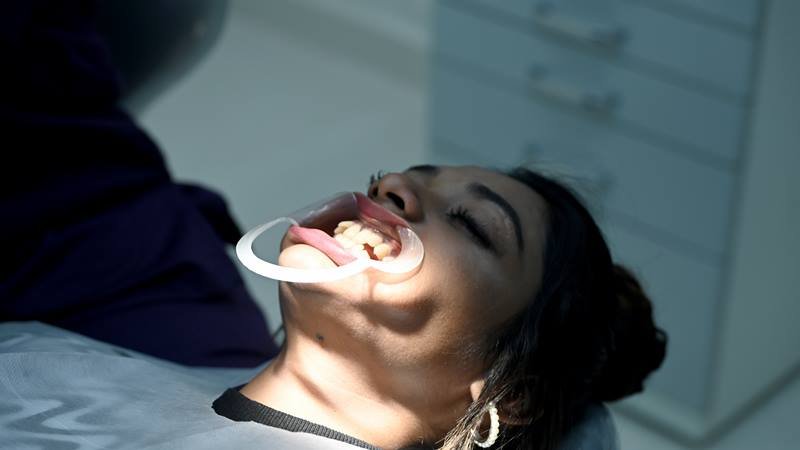
Dental implants are used to replace missing teeth and may involve surgery followed by a healing period and restorative treatment.
Because implant placement is generally elective, it is commonly postponed until after pregnancy. This allows the patient and dentist to plan the surgical procedure, imaging, medications, and subsequent restoration without unnecessary scheduling concerns during pregnancy.
If you already have a missing tooth, your dentist can discuss temporary or alternative options until implant treatment becomes appropriate.
An Implant Specialist in Chennai can evaluate your needs and help you plan treatment after delivery.
5. Can Dental X-Rays Be Taken During Pregnancy?
Dental X-rays may be necessary to diagnose certain problems, including deep cavities, dental abscesses, root canal infections, and abnormalities around the roots of teeth.
When an X-ray is clinically justified, the radiation exposure from modern dental imaging is very low. Pregnancy alone is not a reason to withhold an essential diagnostic image.
Dentists follow radiation-safety principles by using appropriate equipment, limiting the image to the area needed, and avoiding unnecessary exposures. Current professional guidance emphasises individual justification and optimisation of radiation exposure; additional shielding should follow applicable local guidance and clinical protocols.
Inform your dentist that you are pregnant or might be pregnant before imaging. The dentist will determine whether an X-ray is needed and whether the results will influence your treatment.
Routine or unnecessary imaging should be avoided, but a necessary image should not automatically be delayed if doing so could compromise diagnosis or treatment.
6. Is Local Anaesthesia Safe During Pregnancy?
Local anaesthesia is often used for fillings, root canal treatment, and tooth extraction. Commonly used dental local anaesthetics, including lidocaine, may be used during pregnancy when clinically appropriate.
The dentist will select the agent and dose according to your medical history, the procedure, and individual circumstances. The goal is to provide effective pain control while minimising unnecessary medication exposure.
Do not avoid necessary dental treatment because you are worried about anaesthesia. Uncontrolled pain and untreated infection can also cause harm and distress.
Always tell your dentist about your pregnancy, allergies, existing medical conditions, and all medications or supplements you take.
7. Which Trimester Is Best for Dental Treatment?
Dental treatment can be provided in any trimester when it is necessary. However, the timing of planned care may be adjusted for comfort and clinical reasons.
First trimester
The first trimester is an important period of fetal development. Preventive care, examinations, and urgent treatment can still be provided when needed.
For non-urgent elective procedures, the dentist may consider whether it is reasonable to postpone treatment until a more comfortable time.
Nausea and vomiting may make long dental appointments difficult for some patients. Shorter visits and appropriate positioning can help.
Second trimester
The second trimester is often a convenient time for routine and planned dental treatment because nausea may have improved and lying in the dental chair may be more comfortable.
Professional cleaning, fillings, and other necessary procedures can be scheduled according to the patient’s condition and treatment needs.
Third trimester
Dental care remains possible during the third trimester. However, lying flat for a prolonged period may cause discomfort or dizziness in some pregnant women.
The dental team may use shorter appointments, adjust chair positioning, and allow breaks as needed. Non-urgent elective treatment may be postponed until after delivery if appropriate.
Important: Do not delay urgent treatment simply to reach a particular trimester. Your dentist can coordinate with your obstetrician when the pregnancy is high-risk or the treatment requires additional planning.
8. Are Dental Medicines Safe During Pregnancy?
Medication selection during pregnancy requires careful consideration. A medicine that is commonly used in dentistry may not be appropriate for every patient.
Pain relief
Paracetamol, also called acetaminophen, is commonly used for pain relief during pregnancy when needed, but it should be taken according to appropriate medical advice and at the recommended dose.
Non-steroidal anti-inflammatory drugs (NSAIDs), such as ibuprofen, require particular caution. They should not be self-prescribed during pregnancy; use after 20 weeks is generally avoided unless specifically advised by a clinician, and they are contraindicated from 30 weeks under US FDA guidance.
Ask your dentist or obstetrician before taking any painkiller.
Antibiotics
Some antibiotics can be prescribed during pregnancy when there is a clear clinical indication. The choice depends on the infection, allergies, pregnancy stage, and medical history.
Do not take leftover antibiotics or medication prescribed to another person. Antibiotics alone may not resolve a dental infection when a procedure such as drainage or root canal treatment is needed.
Mouth rinses
Saltwater rinses may help soothe mild gum irritation. If a medicated mouthwash is required, your dentist can recommend an appropriate product and duration of use.
Avoid swallowing mouthwash and follow the product instructions.
Self-medication should be avoided
Do not start, stop, or change prescribed medicines without consulting the clinician responsible for your care. Tell both your dentist and obstetrician about all medications, including supplements and over-the-counter products.
9. Dental Treatments Usually Best Postponed Until After Pregnancy
Some dental procedures are primarily cosmetic or elective and can generally wait until after delivery.
Examples include:
- Professional teeth whitening.
- Elective cosmetic veneers.
- Non-urgent smile makeover procedures.
- Elective implant surgery.
- Cosmetic procedures that do not address pain, infection, or impaired function.
Whitening treatments are usually postponed because safety data during pregnancy are limited and the procedure is not medically necessary.
Veneers and other cosmetic restorations may also be deferred when there is no urgent dental problem. However, a damaged tooth or an infection should still be assessed and treated as required.
A Smile Specialist in Chennai or Smile Designer in Chennai can discuss cosmetic goals and prepare a treatment plan for after pregnancy.
If you are considering Invisalign or another clear-aligner treatment, an Invisalign Specialist in Chennai can advise whether it is practical to begin treatment now or wait until after delivery. Pregnancy itself does not automatically prohibit orthodontic care, but starting an elective treatment can be scheduled around comfort, oral health, and your individual needs.
10. How to Maintain Healthy Teeth and Gums During Pregnancy
Daily oral care is one of the most effective ways to reduce plaque accumulation and protect your teeth.
Brush twice daily
Brush for two minutes, twice a day, using a soft-bristled toothbrush and fluoride toothpaste. Clean all tooth surfaces gently, including the gumline.
If brushing triggers nausea, try using a smaller toothbrush head, changing the time you brush, or taking short breaks.
Floss every day
Floss or use an appropriate interdental cleaner daily to remove plaque and food particles from between the teeth.
If your gums bleed, do not immediately stop cleaning the area. Gentle, consistent plaque removal often helps reduce inflammation. Persistent or heavy bleeding should be assessed by a dentist.
Use fluoride toothpaste
Fluoride helps strengthen enamel and reduce the risk of tooth decay. Use a standard fluoride toothpaste appropriate for adults unless your dentist recommends something different.
Spit out the toothpaste after brushing rather than swallowing it.
Drink enough water
Water helps maintain hydration and can help rinse away food debris. If you experience dry mouth, keep water nearby and take regular sips.
Limit frequent sugary snacks
Frequent exposure to sugary foods and drinks increases the risk of tooth decay. Try to limit how often you consume sweets, sweetened beverages, and sticky snacks.
Choose a balanced diet that supports your nutritional needs during pregnancy.
Attend dental appointments
Regular dental examinations help identify problems early. Your dentist can recommend a follow-up schedule based on your oral health, symptoms, and risk of decay or gum disease.
If you are searching for a Best Affordable Dental Clinic in Chennai, consider the quality of preventive care, the clarity of treatment explanations, and whether the dental team provides an individualised care plan.
11. What Should You Do If You Have Morning Sickness?
Morning sickness can make oral hygiene difficult, particularly when brushing triggers nausea or vomiting exposes the teeth to stomach acid.
The following steps may help:
- Rinse your mouth with plain water after vomiting.
- Alternatively, ask your dentist whether a bicarbonate rinse is suitable for you.
- Wait around 30–60 minutes before brushing.
- Use a soft toothbrush and fluoride toothpaste.
- Try brushing at a time of day when nausea is less intense.
- Maintain hydration and seek medical advice if vomiting is persistent.
Repeated vomiting can contribute to enamel erosion. If you notice increased sensitivity, changes in the appearance of your teeth, or difficulty maintaining oral hygiene, arrange a dental consultation.
12. Common Dental Problems During Pregnancy
Pregnant women may experience several oral health concerns. Recognising the symptoms can help you seek care early.
Bleeding gums
Bleeding during brushing or flossing may indicate pregnancy gingivitis or existing gum disease. Professional cleaning and effective home care can help manage inflammation.
Tooth sensitivity
Sensitivity to cold, hot, or sweet foods may be caused by enamel erosion, gum recession, exposed dentine, or tooth decay. A dentist can identify the underlying cause and recommend suitable treatment.
Persistent toothache
A persistent toothache should not be ignored. It may indicate deep decay, inflammation of the dental pulp, a cracked tooth, or infection.
Arrange a dental examination promptly, particularly if pain affects sleep or eating.
Swollen gums or a dental abscess
Localised swelling, pus, severe pain, or a bad taste may indicate an infection. Dental assessment is important because an abscess may require drainage and treatment of the source.
Seek urgent care if you develop facial swelling, fever, or rapidly worsening symptoms. Difficulty breathing or swallowing requires emergency medical attention.
Bad breath
Bad breath may be associated with gum inflammation, dry mouth, dental decay, or food accumulation. Regular cleaning and treatment of the underlying cause can help.
Persistent bad breath should be evaluated rather than managed solely with mouth fresheners.
13. Does Pregnancy Increase the Risk of Gum Disease?
Pregnancy can increase the gums’ response to plaque, making inflammation more noticeable. However, pregnancy does not mean that every woman will develop gum disease.
Gingivitis affects the gums and is generally reversible with effective plaque control and professional cleaning. Periodontitis is a more advanced condition that can damage the supporting tissues and bone around teeth.
Warning signs include:
- Gums that bleed frequently.
- Red, swollen, or tender gums.
- Persistent bad breath.
- Gum recession.
- Teeth that feel loose.
- Discomfort while chewing.
If you notice these symptoms, arrange an examination. Early intervention can help prevent the condition from progressing.
14. Can Poor Oral Health Affect Pregnancy?
Oral health is an important part of overall health, and dental infections should be treated promptly. Research has explored associations between periodontal disease and pregnancy outcomes, including preterm birth and low birth weight.
However, an association does not prove that gum disease directly causes these outcomes, and evidence that periodontal treatment prevents adverse pregnancy outcomes remains inconclusive.
The practical recommendation is straightforward: maintain good oral hygiene, attend appropriate dental appointments, and treat dental problems when necessary. Do not rely on dental treatment as a substitute for regular antenatal care.
15. How Often Should You Visit the Dentist During Pregnancy?
There is no single appointment schedule that suits every pregnant woman. The frequency of dental visits depends on your existing oral health, history of gum disease, risk of tooth decay, symptoms, and treatment requirements.
For many patients, a routine examination and professional cleaning are appropriate during pregnancy. Those with active gum disease, frequent cavities, or persistent symptoms may need more frequent reviews.
If you already have a dental appointment planned, tell your dentist about your pregnancy. If you have not visited a dentist recently, consider scheduling a checkup rather than waiting until a problem develops.
Patients looking for a Best Dental Clinic within 1 KM or a dental clinic nearby to Royapettah, Mylapore, Alwarpet, and Gopalapuram can prioritise convenient access to preventive care and timely treatment.
16. Choosing the Right Dental Clinic During Pregnancy
Selecting a dental clinic that communicates clearly and considers your medical history can make dental visits more comfortable.
When choosing a clinic, look for:
- A thorough review of your pregnancy and medical history.
- Clear explanations of the diagnosis and available treatments.
- Appropriate infection-control practices.
- Careful selection of medicines and local anaesthesia.
- Justified use of diagnostic imaging.
- Comfortable positioning during dental procedures.
- Willingness to coordinate with your obstetrician when needed.
- A preventive approach that supports long-term oral health.
If you are looking for the Best Dental Clinic in Chennai, choose a clinic that combines clinical expertise with patient education and personalised care.
At Dr. D’s Dentistry in Royapettah, Chennai, patients can discuss their oral health concerns, understand available treatment options, and receive guidance on maintaining healthy teeth and gums. The appropriate treatment plan should always be based on a clinical examination and the patient’s individual needs.
17. Frequently Asked Questions About Pregnancy Dental Care
Q1. Is it safe to visit a dentist during pregnancy?
Yes. Dental examinations, professional cleaning, and necessary dental treatment can generally be provided during pregnancy. Inform your dentist about your pregnancy so the treatment plan can be tailored to your needs.
Q2. Can I get my teeth cleaned while pregnant?
Yes. Professional teeth cleaning is generally safe during pregnancy and can help reduce plaque accumulation and gum inflammation.
Q3. Can I undergo root canal treatment during pregnancy?
Yes. Root canal treatment can generally be performed when necessary to treat an infected or inflamed tooth. Your dentist will assess your condition and select an appropriate treatment plan.
Q4. Are dental X-rays harmful to the baby?
When clinically necessary, dental X-rays can be taken using appropriate radiation-safety measures. Your dentist will determine whether imaging is required and minimise unnecessary exposure.
Q5. Can I have a tooth extracted while pregnant?
A necessary tooth extraction can generally be performed during pregnancy. The dentist will consider the urgency, your medical history, anaesthesia, and any relevant obstetric advice.
Q6. Is local anaesthesia safe during pregnancy?
Commonly used dental local anaesthetics, including lidocaine, can generally be used when clinically appropriate. The dentist will choose a suitable drug and dose for your circumstances.
Q7. Can I take painkillers for toothache during pregnancy?
Do not self-medicate. Paracetamol may be used when appropriate under medical guidance, while NSAIDs require particular caution and may be contraindicated at certain stages of pregnancy. Consult your dentist or obstetrician.
Q8. Why do my gums bleed during pregnancy?
Hormonal changes can increase the gums’ response to plaque, leading to pregnancy gingivitis. Persistent bleeding should be assessed by a dentist, who may recommend professional cleaning and improved home care.
Q9. Is teeth whitening safe during pregnancy?
Because teeth whitening is elective and pregnancy-specific safety evidence is limited, it is generally best postponed until after delivery.
Q10. Should I wait until delivery to treat a cavity?
Not necessarily. A cavity may worsen if left untreated. Your dentist can determine whether a filling or another treatment is appropriate during pregnancy.
Q11. What should I do if I develop severe tooth pain during pregnancy?
Arrange a prompt dental assessment. If you have facial swelling, fever, pus, or rapidly worsening symptoms, seek urgent care. Difficulty breathing or swallowing is a medical emergency.
Q12. When should I tell my dentist that I am pregnant?
Inform your dentist as soon as you know or suspect that you are pregnant. This allows the dental team to review your medical history and plan imaging, medications, and treatment appropriately.
18. Key Takeaways: Pregnancy Dental Care
Pregnancy is an important time to prioritise oral health rather than avoid dental visits.
Remember these essential points:
- Dental checkups and professional cleaning are generally safe during pregnancy.
- Necessary fillings, root canal treatment, and tooth extractions can usually be performed when indicated.
- Dental X-rays can be taken when clinically justified, using appropriate safety measures.
- Tell your dentist about your pregnancy and all medications you take.
- Avoid self-prescribing painkillers or antibiotics.
- Postpone elective cosmetic treatments, such as teeth whitening, until after pregnancy when appropriate.
- Brush twice daily with fluoride toothpaste and clean between your teeth every day.
- Seek prompt treatment for persistent toothache, swelling, or signs of infection.
Conclusion
Dental care during pregnancy is an important part of maintaining comfort, preventing oral disease, and protecting long-term dental health. Although hormonal changes may increase the risk of gum inflammation and certain oral health problems, most routine dental care and many necessary treatments can be provided safely with appropriate precautions.
Do not ignore toothache, bleeding gums, cavities, or dental swelling because you are pregnant. Early assessment helps your dentist identify the cause and determine the most suitable treatment. When needed, your dentist can coordinate with your obstetrician to ensure that your care is appropriate for your medical circumstances.
If you are searching for the Best Dental Clinic in Chennai for pregnancy dental care, Dr. D’s Dentistry in Royapettah offers a patient-focused setting where you can discuss dental concerns and learn about appropriate preventive and restorative options.
Whether you need a routine checkup, professional cleaning, or assessment of a dental problem, prioritising oral health during pregnancy can help you maintain a healthy smile through pregnancy and beyond.
Book a dental consultation at Dr. D’s Dentistry, Chennai, to discuss your oral health needs during pregnancy and receive guidance tailored to your situation.
SEO Details
SEO Title: Dental Care During Pregnancy: Safe Treatments and Tips
Meta Description: Learn which dental treatments are safe during pregnancy, when to visit a dentist, and how to prevent gum disease and tooth decay. Explore pregnancy dental care at Dr. D’s Dentistry, Chennai.
Suggested URL Slug: /dental-care-during-pregnancy/
Primary Keyword: pregnancy dental care
Secondary Keywords:
- Dental care during pregnancy
- Safe dental treatments during pregnancy
- Dental checkup during pregnancy
- Pregnancy and oral health
- Dental treatment for pregnant women
- Gum problems during pregnancy
- Best Dental Clinic in Chennai
- Best Dentist near me
- Best Affordable Dental Clinic in Chennai
- Best Dental Clinic near me
- Best Dental Clinic within 1 KM
- Kid Specialist in Chennai
- Root Canal Specialist in Chennai
- Smile Specialist in Chennai
- Smile Designer in Chennai
- Invisalign Specialist in Chennai
- Implant Specialist in Chennai
- Dr. D’s Dentistry
- Dental clinic near Royapettah, Mylapore, Alwarpet, and Gopalapuram

