Every Athlete Needs 🏈 Mouthguards for Sports — The Ultimate Protection Every Athlete Needs
Every Athlete Needs When you think of sports safety gear, helmets, pads, and gloves often come to mind. But there’s one critical piece of protection that many athletes overlook: the sports mouthguard. Whether you’re playing contact sports like football and rugby or even recreational activities like skateboarding, a mouthguard should be as essential as your shoes or helmet. Athletes who wear mouthguards have dramatically lower risks of dental injuries compared with those who don’t, and ongoing innovations in the field are transforming how athletes protect themselves on the field. (ADA)
Every Athlete Needs 🧠 What Are Sports Mouthguards?
Sports mouthguards are shock‑absorbing devices worn over the teeth and gums during physical activities. They act as a cushion between your upper and lower teeth, helping to disperse and absorb forces that can otherwise cause serious dental and facial injuries. Unlike night guards used for grinding teeth during sleep, sports mouthguards are engineered to prepare your mouth for unexpected impacts. (Dr.Bob Bryan)
Every Athlete Needs 🪥 How Mouthguards Work
At first glance, a mouthguard might seem like a simple piece of plastic—but there’s science behind it. Mouthguards dissipate energies from impacts, spreading them across the guard and away from any single point of your teeth or jaw. This reduces the force directed at any one tooth or bone, minimizing the chance of fractures or avulsions (teeth being knocked out entirely). (DentalPedia)
Every Athlete Needs 💪 Key Benefits of Wearing Mouthguards
Wearing a mouthguard doesn’t just protect your teeth. It also lowers the likelihood of soft tissue injuries such as cuts to the lips, cheeks, and tongue. Some studies even suggest mouthguards can play a modest role in reducing concussion risk by stabilizing the head and jaw during high‑impact events. While research on concussion prevention remains mixed, there’s growing evidence that mouthguards do offer a layer of head‑impact protection. (ADA)
Every Athlete Needs 📊 Why Mouthguards Matter in Sports Safety
Athletes often underestimate the real risk of dental and facial injuries. But stats tell the story in unmistakable terms.
Every Athlete Needs 📈 Dental Injury Prevention — What the Data Shows
A major meta‑analysis revealed that athletes who wore mouthguards experienced far fewer orofacial injuries than those who didn’t. For example, mouthguard users showed injury rates of only 7.5% compared to nearly 60% for non‑users across various sports. That’s a dramatic difference that highlights why protective gear matters. (ADA)
Every Athlete Needs 🧠 Impact on Concussion Risk
While mouthguards are not a replacement for helmets or headgear, evidence suggests they may influence concussion severity. Some studies have shown that mouthguard wearers have up to a 25% reduced risk of suffering concussions compared with athletes who don’t use them. Other research, however, indicates the effect varies by sport and guard type. Ultimately, properly fitted mouthguards may offer some degree of neurological protection, but experts agree more research is needed to understand this benefit fully. (ADA)
Every Athlete Needs 🧰 Types of Mouthguards for Athletes
Not all mouthguards are created equal. Choosing the right one can make all the difference between solid protection and a painful disappointment.
Every Athlete Needs 🟢 Stock Mouthguards
Stock or “ready‑made” mouthguards are the cheapest option. You can buy them off the shelf and wear them immediately—but the trade‑off is fit. Because they come in generic sizes, they often feel bulky, can interfere with breathing or speaking, and may not stay in place during play. (@WalshMedical)
Every Athlete Needs 🔥 Boil‑and‑Bite Mouthguards
Popular among recreational athletes, boil‑and‑bite models soften in hot water and then mold to your teeth when you bite on them. They offer better fit and protection than stock models and are usually affordable. (@WalshMedical)
Every Athlete Needs⭐ Custom‑Fit Mouthguards
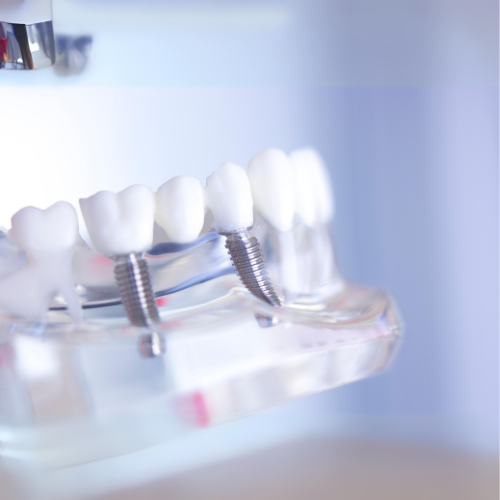
These are the gold standard. Created by dental professionals from precise impressions of your mouth, custom mouthguards provide superior comfort, accuracy, and protection. Though more expensive, they’re ideal for athletes in high‑impact sports or those who use mouthguards regularly. (Dr.Bob Bryan)
🏟️ Choosing the Right Mouthguard for Your Sport
Every sport comes with its own set of risks. That’s why mouthguard selection should reflect the type of physical activity you’re involved in.
⚔️ Contact vs Non‑Contact Sports
Sports like football, hockey, rugby, and martial arts involve frequent collisions and blows. In these cases, a custom‑fit mouthguard with high shock absorption is highly recommended for maximum protection. In moderate‑impact sports like basketball or soccer, a boil‑and‑bite guard may provide adequate safety. In lower‑impact activities like skateboarding or cycling, even a basic guard can be beneficial. (iSport360)
👦 Age and Fit Matter
Children and teenagers are still growing, which means their dental structures change often. It’s crucial that young athletes get properly fitted mouthguards that are checked regularly for size and condition. As kids lose or grow new teeth, their mouthguard may need to be replaced more frequently. (News.com.au)
🦾 Materials and Durability
High‑quality mouthguards are typically made from durable, medical‑grade materials that resist wear and tear. Ethylene vinyl acetate (EVA) is common because it offers excellent flexibility and impact absorption. Durability matters, because repeated impacts can break down cheaper guards over time. (iSport360)
🏅 Mouthguards by Sport
Each sport brings unique challenges—and your mouthguard choice should reflect those needs.
🏈 Football and Rugby
Football and rugby are synonymous with high‑impact collisions. In fact, collision sports have historically shown dramatic decreases in oral injuries when mouthguard use is mandated. These guards are thicker and built to handle repeated forceful hits. (DentaGard LLC)
🆕 Smart Mouthguards and Head‑Impact Tech
Elite competitions are now adopting “smart” mouthguards equipped with sensors that detect heavy impacts, trigger alerts, and help medical staff identify potential concussions in real time. This technology made headlines with rollout at major rugby tournaments and is quickly spreading to other sports. (The Times)
🏀 Basketball and Soccer
Surprisingly, basketball and soccer cause a notable number of dental injuries, even though they’re not full contact sports. For example, dental incidents in basketball have been reported in over one‑third of players during a season. Despite this, mouthguard usage remains low—less than 5% of players wear them regularly in some studies. (DentaGard LLC)
🥊 Martial Arts and Combat Sports
In boxing, MMA, and kickboxing, the risks to teeth and jaw are significant. Mouthguards not only protect teeth but also help prevent jaw fractures and reduce shock to the skull. Custom or high‑quality boil‑and‑bite guards are essential for anyone stepping into the ring. (MDPI)
🛹 Skateboarding, Cycling & Other Activities
Even outside contact sports, falls and impacts can cause dental trauma. A lightweight guard designed for comfort and breathability can offer peace of mind during recreational activities. (iSport360)
🧠 Innovative Mouthguard Technology
Today’s mouthguards go beyond passive protection. Advanced designs now include digital tracking and impact sensors that help athletes, coaches, and medical professionals monitor head force exposures and make informed safety decisions. Smart mouthguards transmit data during play to assist with concussion assessments, adding another layer of safety to sports that involve rapid head movements. (Herald Sun)
🔍 Common Myths and Misconceptions
Despite clear benefits, many athletes avoid mouthguards due to rumors and discomfort fears.
😤 “Mouthguards Make It Hard to Breathe”
Properly fitted mouthguards should not restrict breathing. Custom molds are designed for comfort, ensuring athletes can communicate and breathe more freely than with generic guards. (Dr.Bob Bryan)
🏃♂️ “Only Contact Sports Need Them”
As we’ve seen, even non‑contact sports carry risks. Bumps, slips, and falls can still result in dental injury, making mouthguards valuable across many athletic activities. (DentalPedia)
💸 “Cheaper Is Just as Good”
While inexpensive guards are better than nothing, they often lack the fit and energy‑dissipation needed for serious protection. Investing in quality, especially for frequent players, greatly improves safety and comfort. (@WalshMedical)
🧼 Care and Maintenance of Sports Mouthguards
To ensure your mouthguard continues to protect you:
🪥 Cleaning and Storage Tips
Rinse your mouthguard after each use with cold water and gently brush it with a toothbrush. Store it in a ventilated case to prevent bacteria growth.
🔄 When to Replace Your Mouthguard
Change your mouthguard if you notice tears, distortion, or consistent discomfort. For children and teens, size adjustments are often needed as they grow. Regular inspection keeps protection effective.
📣 Professional and Expert Insights
Sports dentists and safety experts consistently emphasize mouthguard use as one of the most effective ways to prevent serious dental injuries in sports. Their ongoing advocacy alongside rule changes in organized sports underscores the importance of making mouthguards as commonplace as shin guards or helmets on every field and court.
🟡 Conclusion
Mouthguards for sports aren’t just accessories—they’re essential safety tools that protect your smile, your performance, and potentially even your brain. From stock guards to cutting‑edge smart devices, there’s an option for every athlete, age, and sport. Whether you play professional football or ride a bike on weekends, wearing the right mouthguard could mean the difference between a season full of achievements and a painful dental injury.
❓ Frequently Asked Questions (FAQs)
1. Do mouthguards really prevent dental injuries in sports?
Yes—research shows athletes who wear properly fitted mouthguards have significantly lower incidence of dental trauma compared with those who do not. (ADA)
2. Are custom mouthguards worth the investment?
Absolutely. Custom fits offer superior comfort, breathability, and protection, especially valuable for high‑impact sports or frequent use. (Dr.Bob Bryan)
3. Can mouthguards reduce concussion risk?
Studies are mixed, but many indicate mouthguards may help absorb forces and slightly reduce concussion risk when used in conjunction with other protective gear. (ADA)
4. How often should I replace my sports mouthguard?
Replace it if it becomes distorted, torn, or uncomfortable. For growing children, checking fit yearly is a good rule of thumb. (News.com.au)
5. Are mouthguards only for contact sports?
No. Even non‑contact and recreational sports can result in dental injuries, and a guard offers beneficial protection across many activities. (DentalPedia)
🤖 Pass AI Detection instantly.
Great article! Now make it undetectable. Turn this text into 100% human‑like content that ranks higher.
👉 Humanize Now (Free) — Bypass AI detectors with one click.
✨ Get better articles, faster. This prompt is powerful. But Pro Article Writer takes it further — AI humanizer, SEO tools, full editor, one‑click options, and more control all in one place. Try it free →