
facial appearance Losing one or more teeth can affect much more than your smile. Missing teeth can make chewing difficult, affect speech, change facial appearance, and sometimes reduce confidence in social situations. Fortunately, modern dentistry offers several effective ways to replace missing teeth.
Two of the most commonly discussed options are dentures and dental implants.
But which one is right for you?
The answer depends on several factors, including the number of missing teeth, jawbone health, gum condition, overall health, budget, lifestyle, and long-term expectations.
facial appearance At Dr.D’s Dentistry, we believe tooth replacement should be planned around each patient’s individual needs rather than recommending the same solution for everyone. Whether you are searching for the Best Dental Clinic in Chennai, an Implant Specialist in Chennai, or a Best Affordable Dental Clinic in Chennai, understanding the differences between dentures and dental implants can help you make a more informed decision.
facial appearance What Are Dentures?
Dentures are removable dental prostheses designed to replace missing teeth and some of the surrounding oral structures.
Depending on the number of missing teeth, dentures may be:
- Complete dentures
- Partial dentures
- Immediate dentures
- Implant-supported dentures
facial appearance Complete Dentures
Complete dentures are used when all the natural teeth in an upper or lower arch are missing.
facial appearance Partial Dentures
Partial dentures are used when some natural teeth remain.
They replace missing teeth while using the remaining teeth and supporting tissues for stability.
Dentures can restore several important functions, including chewing, speech, and facial support.
facial appearance What Are Dental Implants?
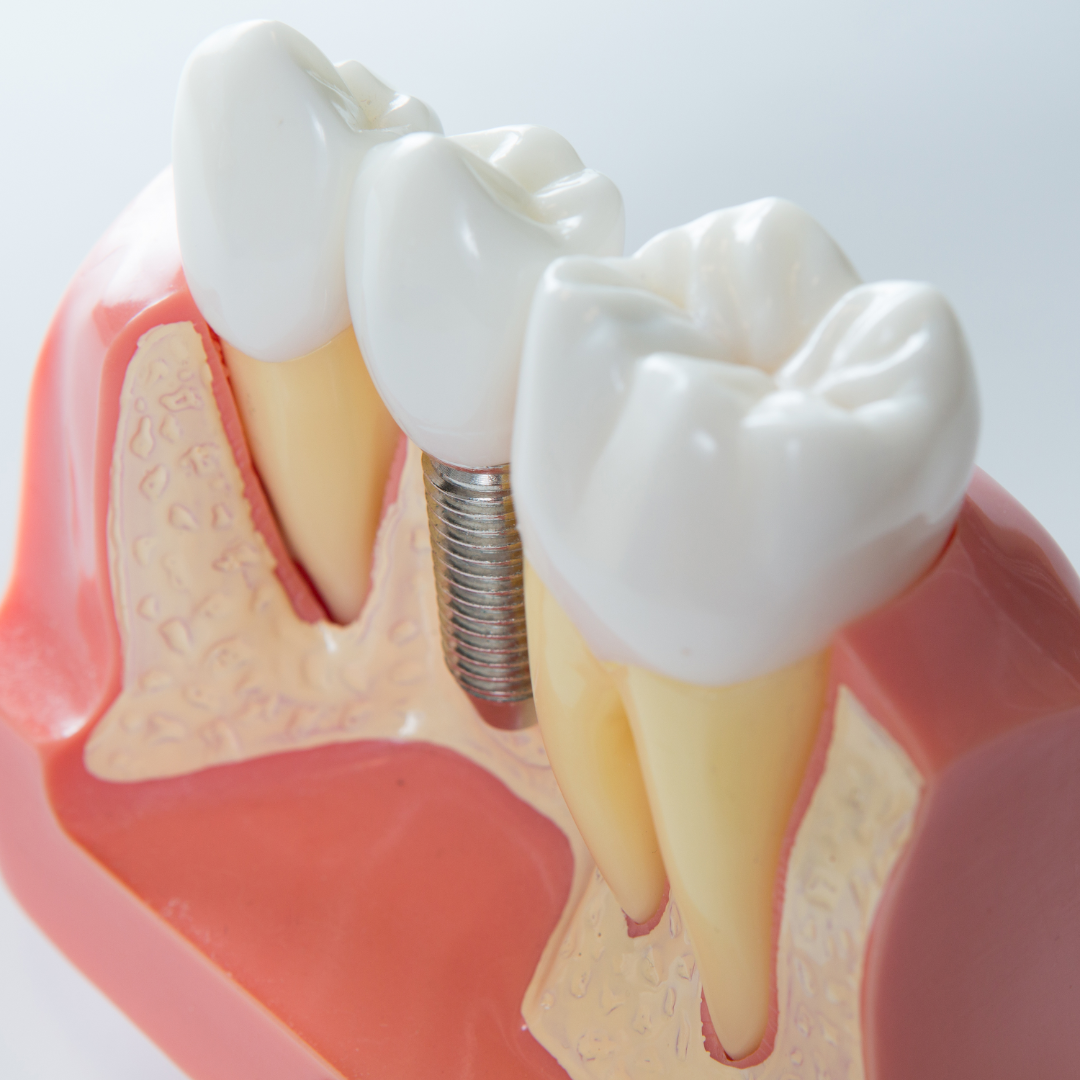
Dental implants are artificial tooth roots placed into the jawbone to support replacement teeth.
An implant is typically made from a biocompatible material such as titanium and is surgically positioned within the jawbone.
After healing and integration with the bone, the implant can support:
- A single dental crown
- An implant-supported bridge
- An implant-supported denture
- A full-arch fixed restoration
Dental implants aim to provide a more stable and fixed form of tooth replacement compared with conventional removable dentures.
facial appearance Dentures vs Dental Implants: The Basic Difference
The biggest difference is how the replacement teeth are supported.
Dentures are removable and are primarily supported by the gums, underlying tissues, and remaining teeth in the case of partial dentures.
Dental implants are anchored into the jawbone and can provide support for fixed or removable restorations.
This difference can affect:
- Stability
- Chewing efficiency
- Comfort
- Maintenance
- Bone preservation
- Appearance
- Long-term treatment planning
facial appearance Dentures vs Dental Implants: Quick Comparison
| Feature | Dentures | Dental Implants |
|---|---|---|
| Removable | Usually yes | Usually fixed, depending on restoration |
| Surgery required | Usually no | Yes |
| Jawbone integration | No | Yes |
| Stability | Moderate to good depending on case | Generally excellent |
| Chewing function | Improved compared with no teeth | Often closer to natural teeth |
| Bone preservation | Limited | Can help preserve bone around the implant |
| Treatment time | Usually shorter | Usually longer |
| Initial cost | Generally lower | Generally higher |
| Maintenance | Regular cleaning and periodic adjustments | Daily hygiene and professional maintenance |
| Longevity | May require replacement or adjustment | Can provide long-term replacement when properly planned and maintained |
The best option depends on your individual situation.
facial appearance What Are the Benefits of Dentures?
Dentures remain an effective tooth replacement option for many patients.
1. Replace Multiple Missing Teeth
Dentures can replace several missing teeth or an entire arch.
2. Generally More Affordable Initially
Compared with implant-based treatment, conventional dentures generally have a lower initial treatment cost.
This can make them an accessible option for many patients.
3. No Implant Surgery
Traditional dentures do not require surgical placement of implants.
This may be particularly relevant for patients who are not suitable candidates for implant surgery or who prefer a non-surgical option.
4. Faster Tooth Replacement
The treatment timeline for dentures can be shorter than that for implant-supported restorations.
5. Improve Appearance
Modern dentures can be designed to provide a natural-looking smile and restore facial support.
facial appearance What Are the Limitations of Dentures?
Although dentures can provide significant benefits, they also have certain limitations.
Movement
Conventional lower dentures, in particular, may move during chewing or speaking.
Adjustment Period
It can take time to become comfortable wearing a new denture.
Food Restrictions
Some patients may need to modify the way they eat, particularly with very hard or sticky foods.
Gum Pressure
Dentures rest on oral tissues and may cause sore spots if they are not fitting properly.
Bone Changes
The jawbone naturally changes after tooth loss. Over time, these changes can affect the fit of a conventional denture.
Periodic Replacement
Dentures may require adjustment, relining, or replacement as the mouth changes.
facial appearance What Are the Benefits of Dental Implants?
Dental implants offer several advantages for suitable patients.
1. Greater Stability
Because implants are anchored in the jawbone, implant-supported teeth generally provide greater stability than conventional removable dentures.
2. Improved Chewing
Implant-supported restorations can provide effective chewing function and may allow patients to eat a wider variety of foods.
3. Natural-Looking Appearance
Implant-supported crowns and bridges can be designed to closely resemble natural teeth.
4. Bone Preservation
When a natural tooth is lost, the surrounding bone can gradually resorb because it no longer receives normal stimulation from the tooth root.
An implant can provide functional stimulation to the surrounding bone and may help reduce some of this bone loss.
5. No Denture Adhesive
Many patients appreciate not having to rely on denture adhesives for stability.
6. Long-Term Solution
With appropriate case selection, professional treatment, and maintenance, dental implants can provide a long-term tooth replacement option.
facial appearance What Are the Limitations of Dental Implants?
Dental implants also have considerations that should be discussed before treatment.
Higher Initial Cost
Implant treatment generally costs more initially than conventional dentures.
Surgical Procedure
Implant placement requires a surgical procedure.
Longer Treatment Timeline
Healing and implant integration can require several months depending on the case.
Bone Requirements
Adequate bone volume and quality are important for implant placement.
Some patients may require additional procedures such as bone grafting.
Maintenance Is Still Necessary
Implants are not maintenance-free.
Good oral hygiene and regular professional examinations remain essential.
Which Is Better: Dentures or Dental Implants?
There is no universal answer.
Dental implants may be preferable for patients who want greater stability and are medically and dentally suitable for implant treatment.
Dentures may be preferable for patients who want a removable solution, require a more affordable initial treatment, or are not suitable for implant surgery.
In some cases, an implant-supported denture can provide a middle ground between conventional dentures and a completely fixed implant restoration.
Are Dental Implants Better Than Dentures?
For many suitable patients, implants can provide greater stability and more natural-feeling function.
However, “better” depends on the patient’s priorities.
For example, a patient may prioritise:
- Lower initial cost
- Shorter treatment time
- Avoiding surgery
- Easy removal
In such situations, conventional dentures may be a suitable choice.
Another patient may prioritise:
- Fixed teeth
- Maximum stability
- Improved chewing
- Long-term tooth replacement
- Reduced denture movement
For that patient, dental implants may be more appropriate.
Can You Get Dental Implants After Wearing Dentures?
Yes.
Wearing dentures does not automatically prevent you from receiving dental implants later.
However, the jawbone changes that occur after tooth loss and prolonged denture use may affect implant planning.
A dentist or implant specialist will evaluate:
- Bone volume
- Bone density
- Gum health
- Remaining teeth
- Bite
- Overall health
- Denture history
If bone volume is insufficient, bone augmentation may sometimes be considered.
What Is an Implant-Supported Denture?
An implant-supported denture is a removable or, in selected designs, fixed prosthetic restoration supported by dental implants.
Instead of relying entirely on the gums for stability, the denture is retained using implants.
This can provide:
- Better stability
- Improved chewing
- Reduced denture movement
- Greater confidence while speaking
- Improved comfort for some patients
The number and positioning of implants depend on the treatment design.
What Is a Fixed Full-Arch Implant Restoration?
For patients who have lost most or all teeth in an arch, a full-arch implant restoration may be considered.
Several strategically positioned implants can support a fixed full-arch prosthesis.
This approach can provide a more fixed alternative to conventional complete dentures.
However, it requires careful assessment of bone, gums, bite, aesthetics, and overall health.
How Long Do Dentures Last?
Dentures do not have a fixed universal lifespan.
They may require:
- Adjustments
- Relining
- Repairs
- Replacement
over time.
Changes in the jawbone and gum tissues can affect how the denture fits.
Good oral hygiene and regular dental visits can help identify when adjustments or replacement are needed.
How Long Do Dental Implants Last?
Dental implants can provide long-term tooth replacement when properly planned and maintained.
However, implant longevity depends on:
- Oral hygiene
- Gum health
- Bone health
- Smoking
- Bite forces
- Teeth grinding
- Quality of treatment
- Regular professional maintenance
The implant itself and the crown or prosthetic restoration have different expected lifespans and may require maintenance or replacement at different times.
What Is the Dental Implant Procedure?
Dental implant treatment usually involves several stages.
Step 1: Consultation
The dentist evaluates your oral health, missing teeth, gums, bite, and treatment goals.
Step 2: Imaging
Dental X-rays or three-dimensional imaging may be used to evaluate the jawbone and determine implant positioning.
Step 3: Treatment Planning
The dentist develops a personalised plan based on the number of missing teeth, bone availability, aesthetic requirements, and final restoration.
Step 4: Implant Placement
The implant is surgically placed into the jawbone.
Step 5: Healing and Integration
The implant is allowed to integrate with the surrounding bone.
This process is known as osseointegration.
Step 6: Abutment and Restoration
Once the implant is sufficiently stable, the final restoration can be connected.
This may be a:
- Crown
- Bridge
- Implant-supported denture
- Full-arch restoration
The exact sequence varies according to the case.
Does Dental Implant Surgery Hurt?
Implant placement is generally performed under local anaesthesia, so significant pain should not be expected during the procedure.
After surgery, patients may experience:
- Mild swelling
- Tenderness
- Bruising
- Discomfort
These symptoms are generally manageable with appropriate post-operative care and medications prescribed by the dentist.
Your dentist will provide specific instructions based on your procedure.
How Much Do Dental Implants Cost?
The dental implants cost varies considerably from patient to patient.
Factors that can affect the total cost include:
- Number of implants
- Type of implant system
- Bone grafting requirements
- Need for tooth extraction
- Type of final restoration
- Laboratory charges
- Digital planning
- Complexity of the case
For this reason, an accurate implant treatment estimate should be provided after a clinical examination and appropriate imaging.
Patients searching for a Best Affordable Dental Clinic in Chennai should consider the complete treatment plan rather than comparing implant prices alone.
A lower initial price does not necessarily represent the most appropriate or cost-effective long-term treatment.
Is Bone Grafting Necessary for Dental Implants?
Not everyone requires bone grafting.
After tooth loss, the jawbone can gradually shrink.
If there is insufficient bone for predictable implant placement, a bone augmentation procedure may sometimes be recommended.
Whether bone grafting is required depends on:
- Bone height
- Bone width
- Bone density
- Implant position
- Sinus location
- Number of implants planned
Three-dimensional imaging can help determine whether adequate bone is available.
Can Smokers Get Dental Implants?
Smoking can negatively affect healing and increase the risk of complications around dental implants.
Patients who smoke should discuss their smoking habits openly with their implant dentist.
Reducing or stopping smoking can improve oral and overall health and may improve treatment outcomes.
Can People With Diabetes Get Dental Implants?
Diabetes does not automatically prevent someone from receiving implants.
However, blood sugar control and overall health should be considered when planning implant treatment.
A personalised assessment is important to determine whether implant treatment is appropriate and how the procedure should be managed.
Dentures vs Dental Implants for Older Adults
Age alone does not determine whether a patient can receive dental implants.
The more important considerations include:
- General health
- Bone condition
- Gum health
- Oral hygiene
- Medication
- Ability to maintain the restoration
An older adult in good overall health may be a suitable implant candidate, while a younger patient with significant health or oral problems may require alternative treatment.
Dentures vs Dental Implants for One Missing Tooth
If only one tooth is missing, conventional dentures are generally not the only option.
Possible treatments include:
- Dental implant with crown
- Fixed dental bridge
- Removable partial denture
For many suitable patients, an implant-supported crown can provide a fixed replacement without preparing the neighbouring healthy teeth for a conventional bridge.
However, the best option depends on the specific situation.
Dentures vs Dental Implants for Multiple Missing Teeth
When multiple teeth are missing, several treatment options may be considered.
These include:
- Partial dentures
- Multiple dental implants
- Implant-supported bridge
- Implant-supported denture
- Fixed full-arch implant restoration
Your dentist can compare these options based on your oral health, bone condition, budget, and long-term goals.
Can Dentures Improve Your Smile?
Yes.
Modern dentures can improve:
- Tooth appearance
- Facial support
- Smile symmetry
- Speech
- Confidence
The appearance of a denture depends heavily on the design, tooth selection, positioning, and relationship between the teeth, lips, and face.
A well-designed denture should look natural rather than overly uniform.
Dental Implants and Smile Design
Implant treatment is not simply about replacing a missing tooth.
For visible teeth, the final restoration should consider:
- Tooth colour
- Tooth shape
- Tooth size
- Gum contours
- Smile line
- Facial proportions
- Lip support
Patients looking for a Smile specialist in Chennai or Smile Designer in Chennai may benefit from comprehensive smile planning when implants are involved.
Dental Implants and Gum Disease
Healthy gums are important for successful implant treatment.
Active gum disease should be evaluated and controlled before implant placement.
Patients with a history of periodontal disease may require ongoing periodontal maintenance after receiving implants.
If you have bleeding gums, gum recession, or loose teeth, these issues should be assessed before implant treatment.
Dental Implants and Root Canal Treatment
If a tooth is severely damaged or infected, your dentist may need to determine whether it can be saved with root canal treatment or whether extraction and implant replacement would be more appropriate.
A root canal can preserve a natural tooth when the tooth has a predictable prognosis.
An implant may be considered when a tooth cannot be predictably restored.
Patients searching for a Root Canal Specialist in Chennai should seek a detailed evaluation before deciding to remove a tooth.
Saving a natural tooth, when predictably possible, is often worth considering.
Dental Implants and Dental Crowns
The visible replacement tooth attached to a dental implant is commonly a crown in the case of a single missing tooth.
The implant replaces the root, while the crown replaces the visible portion of the tooth.
This combination can provide a highly natural-looking result when appropriately planned.
Dentures vs Dental Implants: Which Is More Comfortable?
Comfort varies from person to person.
Some patients adapt quickly to conventional dentures, while others experience movement or pressure points.
Implant-supported restorations generally provide greater stability because they are anchored to implants.
However, implants involve surgery and a longer treatment process.
The most comfortable option depends on your anatomy, treatment design, expectations, and ability to adapt to the restoration.
Dentures vs Dental Implants: Which Is Easier to Maintain?
Both require maintenance.
Denture Maintenance
Dentures should generally be:
- Removed as instructed
- Cleaned regularly
- Stored appropriately
- Checked periodically for fit
Implant Maintenance
Implants require:
- Daily brushing
- Interdental cleaning
- Professional examinations
- Gum monitoring
- Appropriate cleaning around the implant restoration
Neither option should be considered maintenance-free.
What Happens If You Do Nothing About Missing Teeth?
Leaving missing teeth untreated can sometimes lead to:
- Difficulty chewing
- Speech changes
- Shifting of neighbouring teeth
- Changes in bite
- Bone loss
- Reduced facial support
- Increased food trapping
Not every missing tooth requires immediate replacement in every situation, but a dental assessment can help determine the potential consequences of leaving it untreated.
Which Option Is More Affordable?
Conventional dentures generally have a lower initial cost than dental implants.
However, cost should be evaluated over the long term.
Dentures may require:
- Adjustments
- Relining
- Repairs
- Replacement
Implants have a higher initial investment but may provide long-term stability when appropriately planned and maintained.
Your dentist can discuss the expected costs and maintenance requirements of each option.
How Do You Choose Between Dentures and Dental Implants?
Consider these questions:
Do you want a removable or fixed solution?
If you prefer removable teeth, dentures may be appropriate.
If you want a fixed restoration, implants may be worth considering if you are a suitable candidate.
Do you want to avoid surgery?
Traditional dentures do not require implant surgery.
Is your jawbone suitable?
Implant treatment requires appropriate bone volume or additional procedures to create suitable conditions.
What is your budget?
Dentures generally have a lower initial cost.
What are your long-term priorities?
Stability, chewing efficiency, maintenance, and aesthetics should all be considered.
What does your dentist recommend?
A professional examination is essential because your oral condition may limit or influence the available options.
Why Choose Dr.D’s Dentistry for Dentures and Dental Implants?
At Dr.D’s Dentistry, tooth replacement is approached as a comprehensive treatment-planning process.
We consider:
- Oral health
- Gum condition
- Bone availability
- Number of missing teeth
- Bite
- Facial aesthetics
- Functional requirements
- Patient preferences
- Long-term maintenance
Whether you need conventional dentures, partial dentures, implant-supported dentures, or dental implants, treatment should be tailored to your individual needs.
Our clinic is conveniently located for patients from Royapettah, Mylapore, Alwarpet, Gopalapuram, and nearby areas.
Patients searching for the Best Dental Clinic in Chennai, Best Affordable Dental Clinic in Chennai, Best Dental Clinic near me, Best Dentist near me, or Best Dental Clinic within 1 KM can consult Dr.D’s Dentistry for personalised tooth-replacement planning.
For patients considering implants, our approach focuses on proper diagnosis, treatment planning, surgical considerations, prosthetic design, and long-term maintenance.
Frequently Asked Questions About Dentures and Dental Implants
1. Are dental implants better than dentures?
For many suitable patients, implants offer greater stability and more natural-feeling function. However, dentures may be a better choice for patients who prefer a removable or more affordable treatment.
2. Are dentures cheaper than dental implants?
Generally, conventional dentures have a lower initial cost than dental implants. The final cost depends on the treatment design and individual requirements.
3. How long do dental implants last?
Dental implants can provide long-term tooth replacement when properly planned and maintained. The implant and the prosthetic restoration may have different maintenance and replacement needs.
4. How long do dentures last?
Dentures can last for several years, but their fit and condition may change as the jawbone and gum tissues change. Adjustments, relining, or replacement may eventually be necessary.
5. Can I get implants if I have been wearing dentures for years?
Possibly. An assessment of the jawbone, gums, and overall health is necessary. Bone loss may affect implant planning, but additional procedures may sometimes make implant treatment possible.
6. Can dentures be fixed permanently?
Conventional dentures are removable. However, implant-supported or implant-retained restorations can provide greater stability, and some full-arch implant solutions are fixed.
7. Are dental implants painful?
Implant placement is performed under local anaesthesia. Some post-operative swelling or discomfort may occur during healing.
8. Can I eat normally with dental implants?
Once the implant treatment has fully healed and the final restoration is placed, most patients can eat a wide range of foods according to their dentist’s advice.
9. Can I get implants if I have bone loss?
Possibly. The amount and location of bone loss determine whether implants can be placed directly or whether bone augmentation may be required.
10. Which is better for older adults: dentures or implants?
Age alone does not determine the best treatment. Overall health, bone condition, gum health, oral hygiene, medications, and individual preferences are more important factors.
Final Thoughts
Choosing between dentures and dental implants is a personal decision that should be based on your oral health, lifestyle, budget, expectations, and long-term goals.
Dentures can provide an effective, removable, and generally more affordable way to replace missing teeth. Dental implants can offer greater stability, improved chewing function, and a more fixed tooth-replacement solution for suitable patients.
For some people, the ideal solution may actually be an implant-supported denture, combining the removability of a denture with the added stability provided by implants.
There is no single treatment that is best for everyone.
If you have missing teeth and are unsure whether dentures or dental implants are right for you, a comprehensive dental examination is the best place to start.
At Dr.D’s Dentistry, patients from Royapettah, Mylapore, Alwarpet, Gopalapuram, and surrounding areas can receive personalised guidance on tooth replacement, implant dentistry, restorative dentistry, and smile rehabilitation.
If you are searching for the Best Dental Clinic in Chennai, Best Affordable Dental Clinic in Chennai, Best Dental Clinic near me, Best Dentist near me, or Best Dental Clinic within 1 KM, consult a qualified dentist to understand which option is most suitable for your individual smile and oral health.

